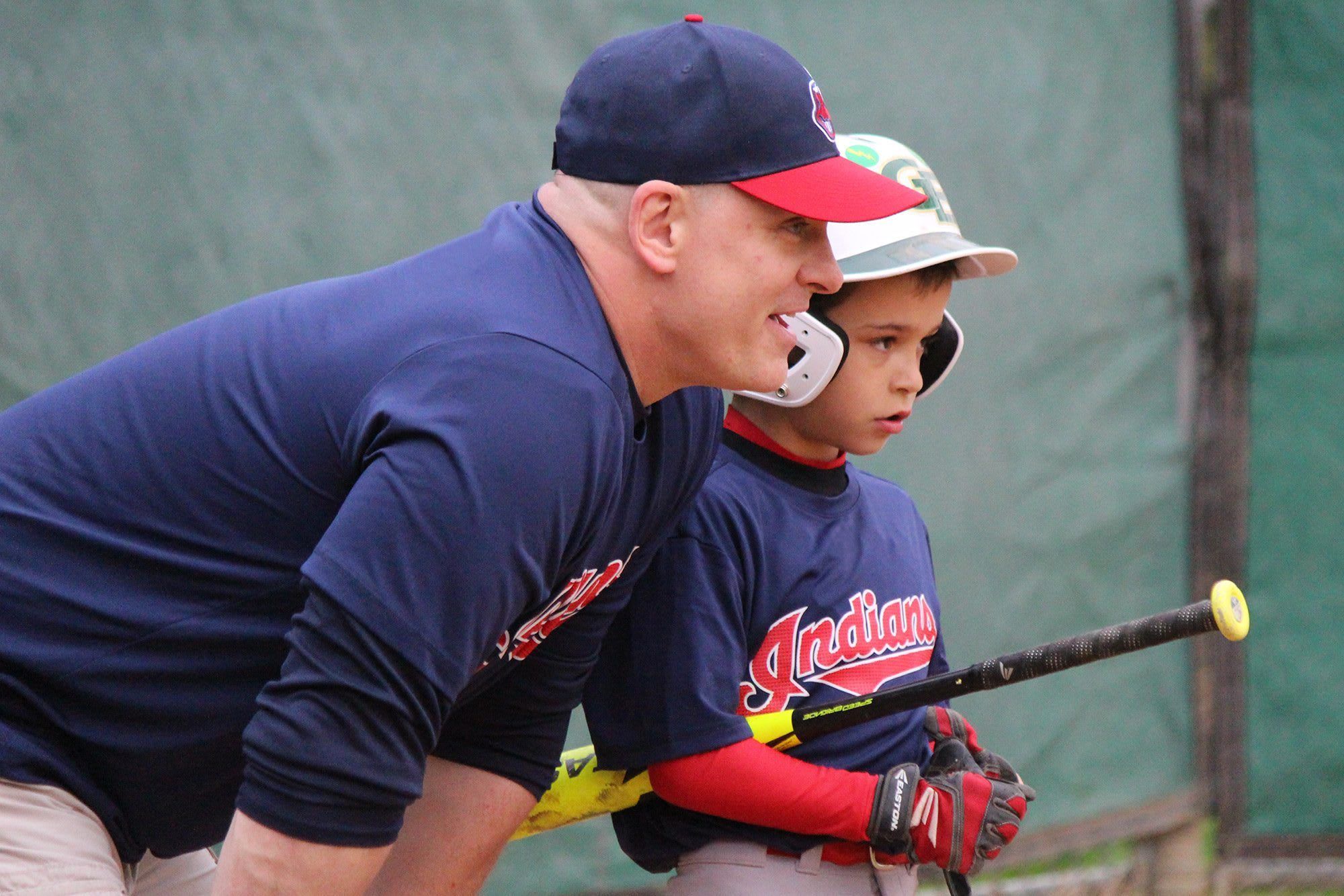
Coaching youth baseball is more than just teaching kids how to hit, throw, and catch. It’s about shaping young athletes into confident players who understand teamwork, discipline, and sportsmanship. Great youth baseball coaching combines skill development, motivation, communication, and fun all while fostering a lifelong love for the game.
This expert guide covers proven strategies from experienced trainers to help coaches at any level lead their teams to success. Whether you’re coaching Little League or competitive travel baseball, these insights will make you a more effective and inspiring coach.
The Importance of Strong Youth Baseball Coaching
Good coaching is the backbone of player development. In youth baseball, a coach plays the role of a mentor, teacher, and motivator. The best coaches know that success isn’t just about winning it’s about creating an environment where kids learn, grow, and enjoy every moment on the field.
Strong youth baseball coaching helps players:
- Build fundamental skills that last a lifetime
- Develop confidence and discipline
- Learn teamwork and leadership
- Stay motivated and focused through challenges
When young players feel supported and challenged in the right way, their love for the game deepens — and that passion often leads to long-term success.
Core Principles of Youth Baseball Coaching
Every great coach follows a few guiding principles that keep their team progressing and engaged.
-
Focus on Fundamentals
Before teaching advanced techniques, ensure players master the basics proper throwing mechanics, batting stance, catching form, and fielding footwork. These foundational skills build confidence and prevent bad habits.
-
Keep It Fun
Kids learn best when they enjoy what they’re doing. Incorporate drills that feel like games, celebrate small wins, and maintain a positive tone. A fun atmosphere reduces pressure and keeps players excited to show up for practice.
-
Positive Reinforcement
Encouragement goes a long way. Instead of focusing on mistakes, highlight effort and improvement. Phrases like “Great hustle!” or “That was a smart play!” motivate players to keep trying.
-
Teach Sportsmanship
Winning is great, but learning how to lose gracefully and respect opponents is just as important. Coaches should model integrity and kindness at all times kids learn more from your behavior than your words.
-
Build Team Culture
Successful teams are built on trust, communication, and unity. Organize team-building activities, set clear goals, and create an environment where every player feels valued.
Developing a Youth Baseball Coaching Plan
A strong coaching plan provides structure and ensures consistent progress throughout the season.
-
Pre-Season Preparation
Start by setting goals for both individual players and the team as a whole. Assess skill levels early to identify who needs extra support or specific drills. Plan practices that balance fundamentals, conditioning, and game-like scenarios.
-
Weekly Practice Structure
A great youth baseball coaching schedule includes a balance of drills, team communication, and fun. A 90-minute practice might look like this:
- 10 min: Warm-up and dynamic stretching
- 20 min: Throwing and catching fundamentals
- 30 min: Fielding or hitting stations
- 20 min: Game simulation or scrimmage
- 10 min: Cool-down and positive feedback session
-
Individual Player Development
Take time to provide personal feedback. Each player has unique strengths and weaknesses. Encourage kids to set personal goals and track progress. Personalized attention builds confidence and trust between players and coaches.
Effective Communication in Youth Baseball Coaching
Communication can make or break a team. The best coaches know how to connect with both players and parents.
-
Clear Instructions
Keep directions simple and age-appropriate. Demonstrate drills visually and use short, clear cues. Kids often learn better by watching than by listening to long explanations.
-
Positive Feedback
Use the “compliment sandwich” method praise, correct, praise. Example: “That was a solid swing! Try keeping your front shoulder in next time. You’ve got great power when you connect!”
-
Engaging with Parents
Parent communication is essential in youth baseball coaching. Keep parents informed about schedules, expectations, and progress. Encourage them to support their children without adding pressure.
-
Encouraging Team Dialogue
Let players share ideas, celebrate each other’s success, and ask questions. A team that communicates well performs well under pressure.
Essential Drills for Youth Baseball Coaching
Training young players requires creativity and repetition. The goal is to make practice engaging while improving key skills.
-
Hitting Drills
- Tee Work: Helps refine swing mechanics.
- Soft Toss: Improves hand-eye coordination.
- Bat Control Drill: Use lighter bats to train quick, compact swings.
-
Fielding Drills
- Ground Ball Gauntlet: Increases reaction time.
- Short Hop Drill: Improves glove control.
- Bucket Challenge: Makes catching fun while building accuracy.
-
Throwing and Pitching Drills
- One-Knee Throw: Focuses on upper-body mechanics.
- Target Practice: Improves accuracy and consistency.
- Long Toss: Builds arm strength and endurance.
-
Base Running Drills
- Explosive Starts: Focus on quick acceleration.
- Sliding Practice: Teach safe and confident slides.
- Tag-Up Simulation: Sharpens in-game awareness.
-
Team Drills
Group drills like relay races, scrimmages, and communication exercises build camaraderie and reinforce teamwork under pressure.
Strength and Conditioning for Youth Baseball Players
Physical development plays a big role in performance. Strength and conditioning help prevent injuries and improve power, speed, and endurance.
For young athletes:
- Focus on bodyweight exercises like squats, push-ups, and planks.
- Include agility ladders and cone drills for footwork.
- Encourage stretching and flexibility before and after every practice.
- Avoid heavy lifting until players are physically ready, usually in their mid-teens.
A well-rounded physical foundation enhances skill learning and keeps players healthy through long seasons.
Mental Coaching Strategies in Youth Baseball
Baseball is as much a mental game as a physical one. Helping kids stay calm, confident, and focused gives them an edge.
-
Build Confidence
Confidence grows from repetition and encouragement. Celebrate effort, not just outcomes. Remind players that mistakes are part of improvement.
-
Teach Visualization
Encourage players to picture success seeing themselves hitting a line drive or making a great play helps strengthen the mind-body connection.
-
Practice Focus
Short attention spans are normal in young players. Break up long drills into short, focused segments to keep engagement high.
-
Handle Pressure Positively
Teach kids breathing techniques and relaxation methods for high-stress moments. Remind them: it’s just a game, and effort matters more than perfection.
Building Team Chemistry in Youth Baseball Coaching
A cohesive team outperforms a group of talented individuals.
- Encourage Leadership: Assign small responsibilities, like warm-up captain or equipment manager.
- Celebrate Team Wins: Whether it’s a strong inning or good sportsmanship, recognition builds morale.
- Promote Unity: Avoid favoritism and make sure every player feels included.
- Foster Respect: Encourage players to cheer for teammates and appreciate opponents.
Dealing with Challenges in Youth Baseball Coaching
Coaching youth baseball comes with obstacles from inconsistent effort to parent interference.
-
Managing Different Skill Levels
Pair stronger players with beginners for drills. It builds mentorship and prevents discouragement.
-
Handling Overly Competitive Parents
Stay professional and communicate clearly. Set expectations early about respect, behavior, and sportsmanship.
-
Keeping Players Motivated
Use short-term goals, like improving batting averages or reducing errors. Small wins create momentum.
-
Avoiding Burnout
Keep practices fresh and avoid over-scheduling. Kids need rest to stay enthusiastic and perform their best.
Off-Season Training for Youth Baseball Players
The off-season is perfect for building strength, endurance, and technical skills.
Off-season goals:
- Refine fundamentals through light drills.
- Improve conditioning with bodyweight and agility work.
- Encourage rest and mental recovery.
- Play other sports to develop overall athleticism.
Off-season development keeps players sharp without overexertion.
Safety and Injury Prevention in Youth Baseball Coaching
Safety should always be a top priority.
- Emphasize warm-ups and proper mechanics.
- Use age-appropriate equipment.
- Enforce helmet use and protective gear.
- Monitor for signs of overuse injuries, especially in pitchers.
- Teach players to speak up about pain or discomfort.
Prevention through education keeps players on the field and fosters trust between coach and athlete.
FAQs
Q1. What age should kids start playing organized baseball?
Most kids start between ages 5–7 in T-ball or coach-pitch leagues, which emphasize fun and basic skills.
Q2. How long should youth baseball practices last?
For young players (under 12), practices should be 60–90 minutes to maintain focus and prevent fatigue.
Q3. What’s the best way to discipline players in youth baseball?
Focus on positive correction instead of punishment. Redirect behavior through encouragement and clear expectations.
Q4. How can I motivate shy or unconfident players?
Give them specific roles, celebrate small wins, and pair them with encouraging teammates. Confidence builds through support and repetition.
Q5. How do I handle parent conflicts?
Keep communication open, hold parent meetings early, and stay consistent with team rules. Always stay calm and professional.
Q6. What are the best coaching certifications for youth baseball?
Programs like USA Baseball’s Coaches Certification and NFHS Coaching Education offer valuable training in youth development, safety, and leadership.
Conclusion
Successful youth baseball coaching goes beyond drills and lineups it’s about mentorship, motivation, and creating memories that last a lifetime. By focusing on fundamentals, communication, teamwork, and fun, coaches can build not only better players but also stronger individuals.
With patience, structure, and passion, you can transform a group of young athletes into a confident, connected, and competitive team. Remember, every player is watching, learning, and growing under your guidance so coach with heart, lead with respect, and inspire through example.