Baseball looks simple from the stands, but anyone who has played the game knows the truth. Hitting a moving ball, throwing with precision, reacting in split seconds, and staying mentally sharp for nine innings takes more than talent it takes proper baseball training. Real development happens when players train with purpose, structure, and expert guidance, not just when they “get reps.”
At Riverside Athletic Facility, baseball training is designed to help players improve the skills that actually show up on game day power at the plate, confidence on the mound, quick reactions in the field, and durability throughout a long season.
This guide breaks down what effective baseball training really looks like, why indoor training matters, and how athletes of all ages can train smarter, not just harder.
What Is Baseball Training and Why It Matters More Than Ever
Baseball training is more than hitting balls in a cage or throwing until your arm is tired. True training focuses on skill development, physical preparation, and mental performance all working together.
The game has evolved. Pitchers throw harder, defenses are faster, and margins for error are smaller. Players who rely only on team practices often fall behind. Structured training fills the gap by targeting weaknesses and reinforcing strengths in a controlled environment.
High-quality baseball training helps players:
- Improve hitting mechanics and bat speed
- Build arm strength safely
- Increase speed, agility, and coordination
- Reduce injury risk through proper movement patterns
- Develop confidence under pressure
When done correctly, training doesn’t just make players better it makes them more durable and consistent.
Hitting Development: Where Games Are Won
Ask any player what they want to improve first, and most will say hitting. That’s because hitting is the hardest skill in sports and the most misunderstood.
Effective baseball hitting training focuses on:
- Swing mechanics and sequencing
- Timing and pitch recognition
- Lower-body power generation
- Consistency, not just power
At Riverside Athletic Facility, hitters train in a controlled indoor setting where mechanics can be broken down and rebuilt without distractions. Using batting cages, tee work, front toss, and live pitching drills, players learn how to create repeatable swings that hold up in real games.
The goal isn’t just to hit the ball hard it’s to hit it well, over and over again.
Pitching and Throwing: Power With Protection
Throwing harder is only useful if you can stay healthy. Many young athletes develop arm pain not because they throw too much, but because they throw with poor mechanics or without proper strength support.
Smart baseball training programs prioritize:
- Efficient throwing mechanics
- Shoulder and elbow stability
- Gradual velocity development
- Recovery and mobility work
Indoor training allows pitchers to work on command, mechanics, and controlled velocity without the wear and tear of outdoor overuse. When combined with strength and conditioning, pitchers build power from the ground up protecting their arms while improving performance.
Strength Training for Baseball Performance
One of the biggest myths in baseball is that lifting weights makes players stiff or slow. In reality, baseball-specific strength training does the opposite when programmed correctly.
Strength training improves:
- Bat speed and exit velocity
- Throwing power
- Sprint speed and agility
- Injury resistance
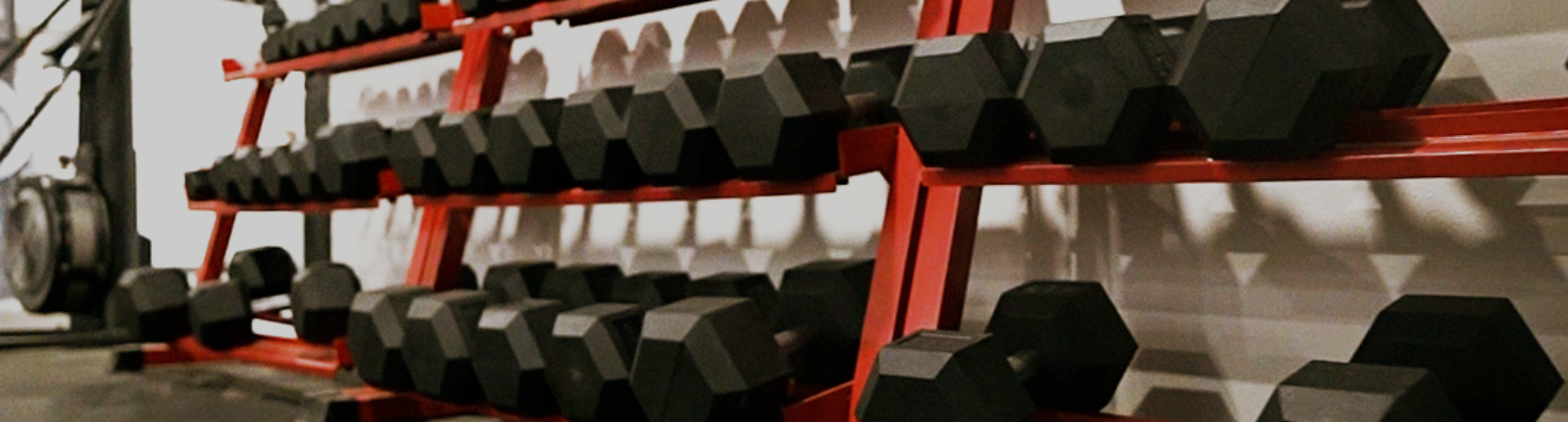
At Riverside Athletic Facility, strength work is designed specifically for baseball movements. That means rotational power, hip mobility, core stability, and single-leg strength rather than bodybuilding routines that don’t translate to the field.
This type of athletic training for baseball helps players move better, not just lift more.
Fielding, Agility, and Reaction Time
Great defenders aren’t just quick they’re efficient. They move well, react fast, and stay balanced under pressure. Quality baseball training includes:
- Footwork drills
- Lateral movement training
- Hand-eye coordination exercises
- Reaction and decision-making work
Indoor turf and training lanes allow athletes to work on these skills year-round. Faster reactions and better movement patterns lead to cleaner plays and more confidence in the field.
Why Indoor Baseball Training Makes a Difference
Outdoor practices are important, but they come with limitations weather, lighting, field availability, and distractions. Indoor baseball training removes those barriers.
Benefits of indoor training include:
- Consistent training year-round
- Controlled environments for focused learning
- Safer surfaces and equipment
- Flexible scheduling for busy families
At Riverside Athletic Facility, athletes train without interruptions, allowing coaches to focus on teaching and players to focus on improvement.
Baseball Training for Youth, Teens, and Advanced Players
One size does not fit all in baseball. A 10-year-old learning fundamentals needs a different approach than a high school athlete preparing for varsity or college competition.
Effective youth baseball training emphasizes:
- Proper movement patterns
- Fundamental skill development
- Fun, engaging learning environments
Advanced players focus more on:
- Performance optimization
- Strength and power development
- Mental approach and consistency
By tailoring training to age and skill level, athletes develop at the right pace without burnout or unnecessary pressure.
The Mental Side of Baseball Training
Baseball is a mental game. Slumps, pressure situations, and long seasons test even the most talented players. Quality training helps athletes build:
- Confidence through preparation
- Focus during high-pressure moments
- Resilience after failure
When players know they’ve trained correctly, they trust their skills when it matters most.
Train Smarter at Riverside Athletic Facility
At Riverside Athletic Facility, baseball training is built around real results, not quick fixes. Every drill, workout, and session has a purpose to help athletes become stronger, faster, and more confident players.
From indoor baseball training and batting cages to baseball strength training and skill development, athletes get a complete training experience under one roof.
If you’re serious about improving your game or helping your athlete reach their potential smart, structured baseball training makes all the difference.