For young athletes, excelling in sports is about more than just talent; it requires physical preparedness, agility, and explosive strength. An athletic gym training program provides a structured approach to developing these essential skills, helping athletes unlock their full potential. By targeting speed, power, and coordination, these programs go beyond traditional workouts, offering young athletes the tools they need to perform at a higher level while reducing the risk of injuries.
Integrating such programs into a weekly training routine allows youth athletes to experience measurable improvements in performance, translating into faster sprints, stronger movements, and sharper game-time reactions.
What Is an Athletic Gym Training Program?
An athletic gym training program is a specialized fitness plan designed to improve sports-specific physical abilities. Unlike general workouts, these programs focus on three key areas: speed, power, and coordination.
- Speed: The ability to move rapidly and efficiently across the field or court.
- Power: Explosive strength that translates to jumps, throws, and sprints.
- Coordination: The body’s capacity to move smoothly and effectively in response to dynamic situations.
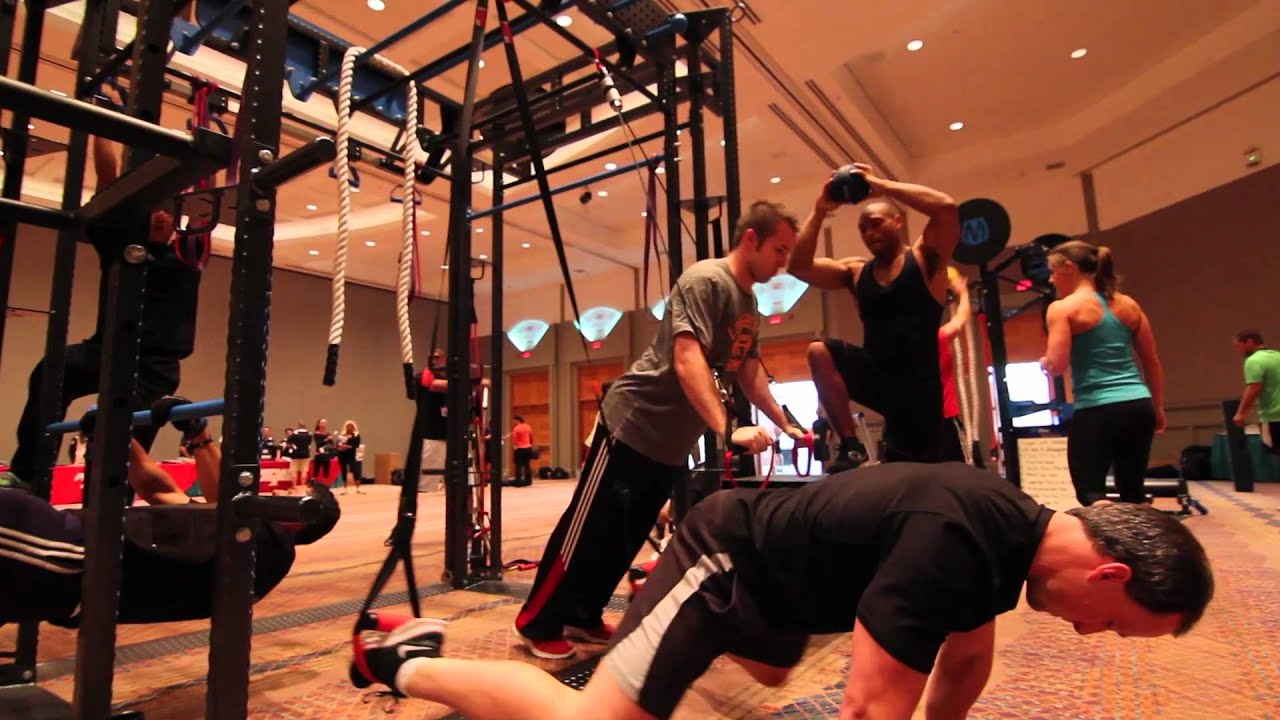
These programs combine traditional strength exercises with functional movement drills, agility work, and sport-specific conditioning. Coaches often customize routines for each athlete, factoring in age, sport, and skill level. For young athletes, a well-designed athletic gym training program for youth athletes ensures safe progression while enhancing performance.
How Athletic Gym Training Programs Improve Speed
Speed is one of the most visible aspects of athletic performance. A targeted youth athletic performance training regimen enhances sprinting ability, reaction time, and overall movement efficiency.
Key components include:
- Sprint drills: Short bursts and interval sprints help athletes improve acceleration and top-end speed.
- Resistance training: Exercises like sled pushes or weighted sprints strengthen the legs and improve stride power.
- Agility ladders and cone drills: Enhance footwork, quickness, and directional changes.
By consistently integrating speed exercises, young athletes can achieve measurable improvements in their performance, whether it’s running bases in baseball, beating defenders in soccer, or moving faster on the basketball court.
Developing Power Through Training
Power is crucial for athletic success, especially for movements requiring explosive energy, like jumping, throwing, or hitting. A speed and power training for young athletes focuses on developing muscular strength and the ability to apply it quickly.
Effective exercises include:
- Plyometrics: Box jumps, jump squats, and medicine ball throws build explosive lower- and upper-body strength.
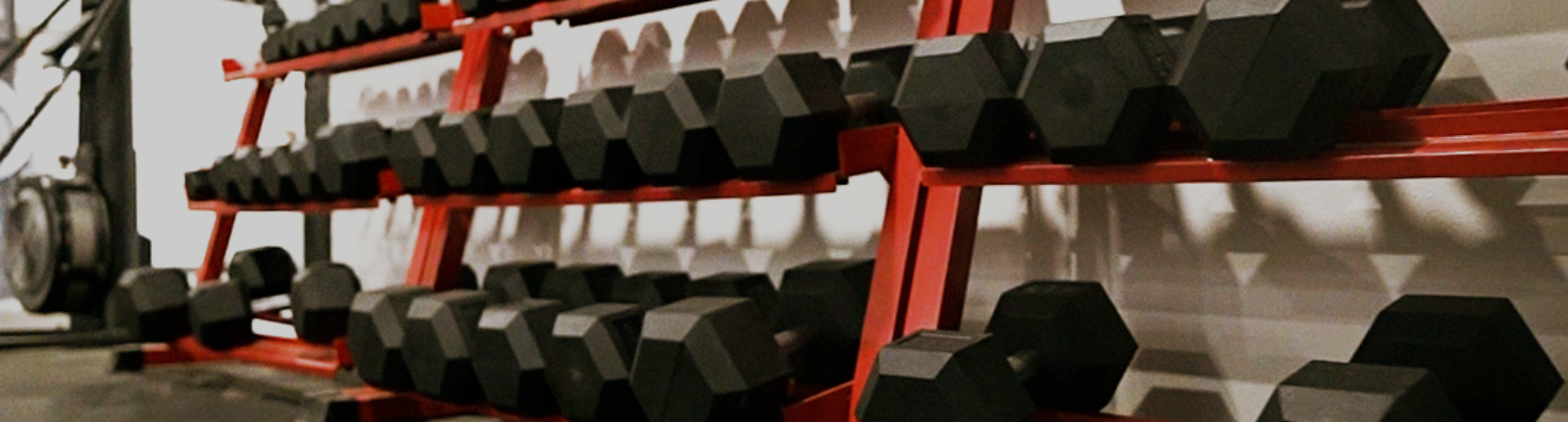
- Weighted resistance training: Light dumbbells and resistance bands improve muscle recruitment safely.
- Core strengthening: Planks, rotational medicine ball throws, and cable twists stabilize the body for effective power transfer.
Power development is not just about being strong; it’s about being able to use that strength instantly and efficiently during sport-specific movements, which is why these programs are designed to mimic real-game actions.
Coordination Training in Athletic Gyms
Coordination is often overlooked but plays a crucial role in overall athletic development. Coordination training in athletic gyms focuses on helping athletes move fluidly and react effectively in fast-paced situations.
Techniques used include:
- Balance drills: Single-leg exercises, stability balls, and wobble boards improve control and body awareness.
- Hand-eye coordination: Reaction drills, catching exercises, and ball-handling routines refine timing.
- Multi-directional movements: Combining speed and agility drills with decision-making tasks enhances neuromuscular control.
Well-developed coordination allows young athletes to execute skills more efficiently, avoid injuries, and respond to changing situations during gameplay.
The Role of Youth Sports Strength and Conditioning Programs
A comprehensive youth sports strength and conditioning program incorporates all three elements speed, power, and coordination, into an integrated training plan. This holistic approach ensures that athletes don’t just get stronger; they move better, react faster, and sustain performance longer.
Such programs also provide:
- Age-appropriate exercises to prevent overtraining and injury.
- Progressive skill challenges to maintain engagement and improvement.
- Sport-specific focus to tailor training to the demands of basketball, soccer, baseball, or other sports.
By combining strength, speed, and coordination drills in a systematic way, youth athletes develop a competitive edge that is difficult to achieve through unstructured workouts or casual practice alone.
How Often Should Youth Athletes Train in Athletic Gyms?
For most young athletes, 2-4 sessions per week in a structured athletic gym training program are sufficient. Sessions should be balanced between strength, speed, and coordination work, with adequate recovery time in between. Overtraining can lead to injuries and burnout, so coaches often alternate between high-intensity workouts and skill-focused drills.
Consistency is more important than intensity at this age. By maintaining a steady training schedule, youth athletes can experience gradual, safe improvements while building confidence and resilience.
Building Complete Young Athletes
An athletic gym training program at Riverside Athletics Facility offers youth athletes a comprehensive approach to improving speed, power, and coordination. By blending youth athletic performance training with focused coordination training, we help develop well-rounded athletes who are prepared for the demands of competitive sports.
For parents and coaches, investing in a structured training program ensures that young players build strength safely, move efficiently, and gain the confidence to excel on the field. Over time, these programs not only enhance physical abilities but also foster discipline, resilience, and a love for consistent improvement, a combination that sets the foundation for long-term athletic success.
With proper guidance, supervision, and consistency, athletic gym training can transform potential into performance, creating young athletes who are faster, stronger, and more coordinated than ever before.
Ready to help your athlete reach the next level?
Call us at 909-756-4410 to schedule a consultation or learn more about our training programs.
Or email us at [email protected] to get started today.
Frequently Asked Questions (FAQs)
- How do athletic gym training programs help improve speed?
These programs target sprint mechanics, leg strength, and agility, allowing young athletes to accelerate faster and move efficiently in multiple directions. Combining sprint drills with resistance and agility exercises maximizes speed development. - Why is power training important for young athletes?
Power training allows athletes to apply strength explosively, translating to higher jumps, stronger throws, and faster bursts. Developing power at a young age creates a foundation for long-term athletic success. - What role does coordination play in athletic development?
Coordination ensures athletes can move efficiently, react quickly, and execute skills with precision. Strong coordination reduces injury risk and improves performance in complex, fast-paced game situations. - Are athletic gym training programs safe for youth athletes?
Yes, when properly supervised and age-appropriate. Programs for youth athletes focus on technique, controlled progression, and functional movements, ensuring safety while promoting performance improvements.