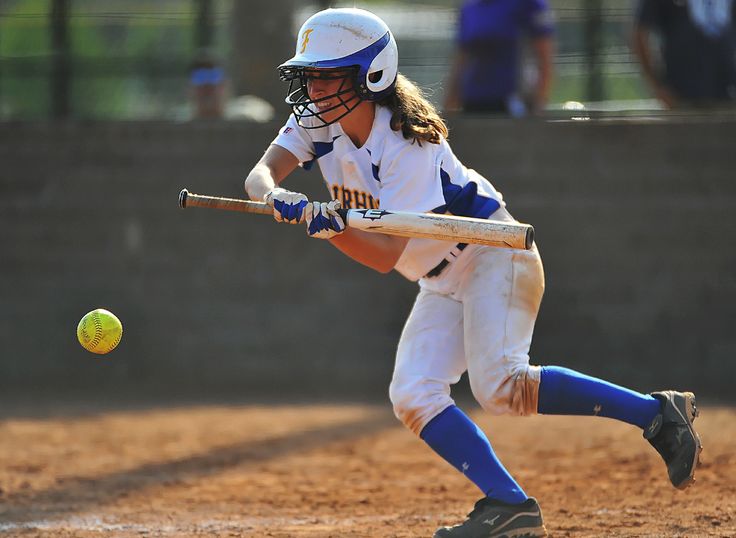
Softball Training Guide: Improving Strength, Speed, and On-Field Performance

Softball is a game of quick reactions, explosive power, and controlled movement. Many athletes practice regularly but still struggle with issues like weak hitting power, slow sprint speed, arm fatigue, or inconsistent fielding. These challenges usually don’t come from a lack of effort. They come from gaps in how the body is prepared for the sport.

Effective softball training, fastpitch performance development, and softball conditioning programs focus on solving the specific physical demands of the game. When athletes train with purpose instead of just repeating drills, they improve faster and reduce injury risk.

This guide explains how to fix the most common performance problems softball players face.

Why Softball Athletes Need Sport-Specific Preparation

Softball movements are different from many other sports. Players rotate explosively while hitting, accelerate in short bursts, and throw repeatedly throughout games. These actions place stress on the shoulders, hips, and core.

General workouts may improve fitness, but softball performance training prepares the body for real game movements. When strength, balance, and mobility improve together, players move more efficiently and perform with greater confidence.

Increasing Hitting Power Without Overusing the Arms

One of the most common frustrations in softball is weak or inconsistent hitting. Many athletes try to swing harder with their arms, which often reduces control and leads to early fatigue.

True hitting power comes from lower-body force and torso rotation. Strong hips and legs drive energy upward through the core and into the swing. When athletes improve lower-body strength training and rotational core development, they generate more bat speed without extra strain on the shoulders.

Movement control is just as important as strength. Drills that teach balance and proper weight transfer help athletes stay stable through contact, leading to harder and more consistent hits.

Solving Throwing Fatigue and Arm Discomfort

Players often assume arm soreness means their arm is weak. In reality, throwing power depends heavily on the legs, hips, and upper back. When these areas lack strength, the shoulder absorbs too much stress.

A better approach includes shoulder stability exercises, posterior chain strengthening, and controlled mobility work. Building strength in the glutes, back, and core allows force to transfer efficiently through the body. This reduces strain on the arm while improving throwing speed.

Recovery also matters. Gentle mobility and light resistance band work help maintain shoulder health during long seasons.

Becoming Faster and More Explosive

Softball speed is about quick bursts, not long-distance endurance. Fielding a ground ball or stealing a base depends on rapid acceleration and sharp direction changes.

Athletes improve this area through speed and agility training that focuses on short sprints, reaction drills, and quick footwork patterns. Improving the first few steps of a sprint can make a noticeable difference in defensive range and base running success.

Quickness is often tied to strength. As lower-body power increases, athletes can push off the ground more forcefully, leading to faster movement.

Improving Balance and Body Control

Losing balance during swings or throws often leads to poor accuracy and reduced power. This usually points to limited core stability and body awareness.

Training that includes single-leg strength work and controlled stabilization exercises helps athletes maintain posture during fast movements. When the body stays centered, players throw more accurately and make stronger contact at the plate.

Balance training also lowers injury risk because joints stay in safer positions during sudden movements.

Reducing Soreness and Preventing Injuries

Frequent soreness often comes from tight muscles and limited joint mobility. Softball players place repeated stress on the shoulders, hips, and hamstrings, which can lead to stiffness over time.

A consistent routine of dynamic warm-ups before activity and mobility work afterward helps maintain healthy movement. Proper recovery allows muscles to repair and perform better during the next session.

When flexibility and strength develop together, athletes feel more comfortable and move with less restriction.

The Role of Structured Progression

Random workouts can lead to slow improvement. Performance training works best when it follows a progression: building strength first, converting that strength into power, and then improving speed and skill application.

Tracking simple markers like sprint speed or jump ability helps athletes see progress and adjust training as needed. Consistency and structure often make a bigger difference than intensity alone.

FAQs About Softball Training

  1. How often should softball players do strength training?
    Two to three sessions per week is effective for most athletes. This allows time for recovery while steadily building strength and power.
  2. Is strength training safe for youth softball players?
    Yes, when supervised properly. Age-appropriate training improves coordination, stability, and injury resistance.
  3. Does speed training really improve game performance?
    Yes. Faster acceleration and better reaction time directly affect defense and base running.
  4. Why is core training important for softball?
    The core connects the upper and lower body. Strong core muscles improve hitting power, throwing accuracy, and balance.
  5. What is the biggest mistake athletes make in training?
    Focusing only on skills while ignoring physical preparation. Strength, mobility, and speed development support better performance during practice and games.

Final Thoughts

Softball performance improves when training addresses strength, power, speed, balance, and recovery together. Athletes who prepare their bodies for the true demands of the sport develop stronger swings, faster reactions, and more consistent performance on the field. Smart preparation turns effort into measurable improvement.
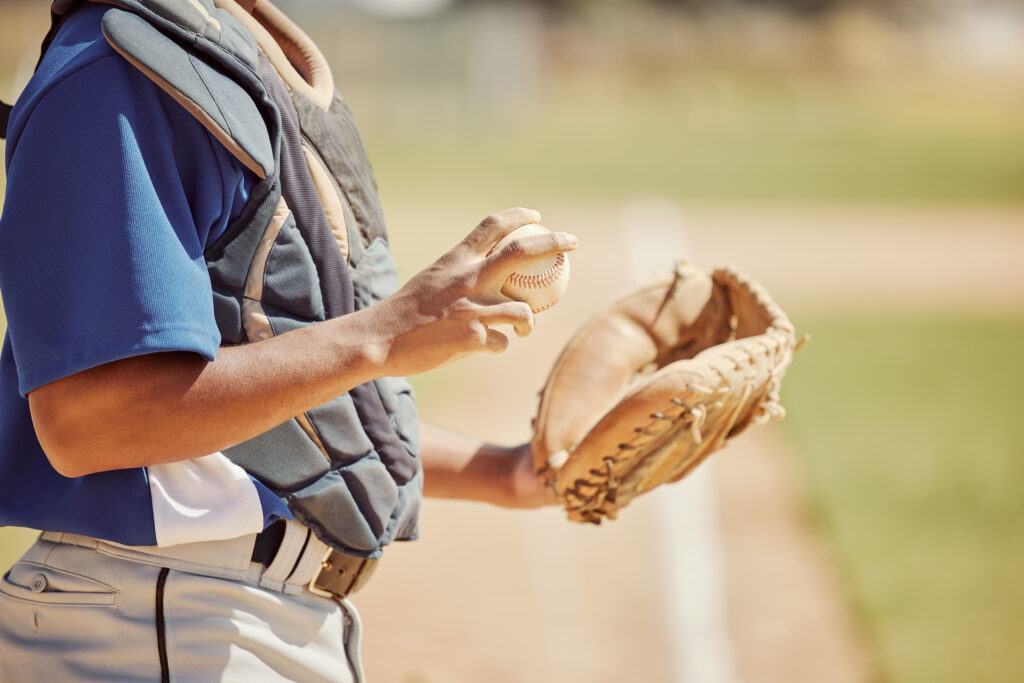
Strength Training vs Skill Training: What Baseball Hitters Need Most

Developing a successful baseball hitter requires more than just natural talent. Coaches and parents often debate strength training vs skill training, trying to determine which path leads to better performance at the plate. While some believe raw power is the key to hitting success, others emphasize mechanics, timing, and bat control. In reality, hitters at every level must understand how strength and skill development work together to build consistency, confidence, and long-term growth.

Baseball is a complex sport where strength alone cannot guarantee success, nor can technique thrive without physical support. The challenge lies in knowing how to balance both approaches based on age, experience, and individual needs. This article breaks down the differences, benefits, and ideal applications of both methods to help hitters reach their full potential.

Understanding Strength Training vs Skill Training for Baseball Hitters

At its core, strength training vs skill training refers to two distinct but complementary development paths. Strength training focuses on building muscle, force production, mobility, and stability. Skill training centers on swing mechanics, pitch recognition, timing, and situational awareness.

Skill training teaches hitters how to swing, while strength training determines how well they can execute that swing repeatedly. A technically sound hitter without strength may struggle to drive the ball, while a strong hitter without skill often lacks consistency. Elite hitters understand that performance improves when physical capacity supports refined mechanics.

The Role of Skill Training in Hitting Success

Skill training lays the foundation for every successful hitter. It includes batting practice, tee work, live pitching, and drills that improve hand-eye coordination. In youth baseball hitting development, these skills are especially critical because young athletes are still learning how their bodies move.

Key elements of skill training include:

  • Proper stance and balance
  • Efficient swing path
  • Timing and rhythm
  • Pitch recognition and plate discipline

When evaluating strength training vs skill training, skill work often takes priority early on. Young hitters must first learn correct movement patterns before adding physical intensity. Without proper mechanics, increased strength can reinforce poor habits instead of improving performance.

How Strength Training Enhances Hitting Performance

Strength training builds the physical tools hitters need to apply their skills effectively. It improves force production, rotational power, and durability. When done correctly, it allows hitters to maintain mechanics throughout long games and seasons.

Modern baseball performance training for hitters emphasizes functional strength rather than bodybuilding. Exercises focus on core stability, hip rotation, shoulder mobility, and lower-body power. These elements are essential for generating bat speed and controlling the swing under pressure.

In the discussion of strength training vs skill training, strength work becomes increasingly important as competition levels rise. Stronger athletes can swing faster, recover quicker, and stay healthier over the course of a season.

Age Matters: Youth vs Advanced Hitters

One of the most important factors in training is age. Youth hitters benefit most from learning movement skills, coordination, and basic athletic patterns. This is why a well-designed youth baseball strength training program should emphasize bodyweight exercises, balance, and mobility rather than heavy lifting.

As players mature, strength training gradually takes on a larger role. Teen and advanced hitters can safely develop power and speed while continuing to refine mechanics. This progressive approach ensures that strength enhances skill rather than overpowering it.

Athletic training for young baseball players should always be age-appropriate and supervised to prevent injury and burnout.

Finding the Right Balance Between Strength and Skill

The most effective development plans do not treat strength training vs skill training as an either-or choice. Instead, they integrate both into a structured routine. Skill sessions teach hitters what to do, while strength sessions give them the physical ability to do it consistently.

A balanced weekly plan may include:

  • 3–4 days of hitting and skill work
  • 2–3 days of strength and movement training
  • Adequate recovery and mobility sessions

This balanced approach supports baseball power and speed program goals without sacrificing technique or increasing injury risk.

Why Strength Without Skill Falls Short

Strength alone does not guarantee better hitting results. Many strong athletes struggle at the plate because they lack timing, pitch recognition, or swing efficiency. In the strength training vs skill training debate, this is often cited as evidence that skill work is more important.

However, the real issue is imbalance. Strength must be applied correctly to be useful. Without proper mechanics, increased force can lead to poor contact, inconsistent swings, and frustration. Skill training ensures that strength is transferred effectively into game situations.

Why Skill Without Strength Also Has Limits

On the other hand, hitters who rely solely on skill may struggle against faster pitching or deeper fields as competition increases. As pitchers throw harder and defenses improve, hitters need more force to drive the ball consistently.

This is where strength training vs skill training becomes a long-term development conversation. Strength supports durability, bat speed, and late-game performance. It allows hitters to maintain technique even when fatigued, which is critical during long tournaments or seasons.

Long-Term Development for Consistent Results

The most successful hitters follow a long-term development plan that evolves with their age and competition level. Early stages focus heavily on skill acquisition, while later stages integrate more advanced strength work.

This progression ensures that there remains a dynamic balance rather than a fixed ratio. By adjusting emphasis over time, hitters can avoid plateaus and continue improving year after year.

Final Thoughts

The question of strength training vs skill training does not have a single answer. Baseball hitters need both, applied at the right time and in the right proportion. At Riverside Athletics Facility, we believe skill training builds the foundation, while strength training enhances execution, durability, and power.

Hitters who commit to a balanced approach, one that evolves with age and experience, are best positioned for long-term success. When strength supports skill, performance follows naturally, creating confident hitters who can adapt, compete, and thrive at every level of the game.

Ready to build stronger, more skilled hitters? Call Riverside Athletics Facility at 909-756-4410 to learn about our baseball training programs. Email   [email protected] to schedule a consultation and get started today.

Frequently Asked Questions (FAQs)

  1. What is the difference between strength training and skill training for baseball hitters?

Strength training develops physical attributes such as power, stability, and endurance, while skill training focuses on swing mechanics, timing, and pitch recognition. In strength training vs skill training, both are necessary, but they serve different purposes in hitter development.

  1. Do youth baseball hitters need more strength training or more skill work?

Youth hitters typically need more skill work. During youth baseball hitting development, learning proper mechanics and coordination is essential. Light, age-appropriate strength work can support skill training but should not replace it.

  1. How often should young hitters do strength training?

Young hitters can safely perform strength training 2–3 times per week, focusing on movement quality, mobility, and body control. When considering strength training vs skill training, strength sessions should complement, not compete with, hitting practice.

  1. Can strength training help a hitter increase bat speed?

Yes, strength training can improve bat speed by increasing rotational power, lower-body force, and core stability. However, bat speed gains are maximized when strength training is paired with proper swing mechanics.


How Athletic Gym Training Programs Improve Speed, Power, and Coordination

For young athletes, excelling in sports is about more than just talent; it requires physical preparedness, agility, and explosive strength. An athletic gym training program provides a structured approach to developing these essential skills, helping athletes unlock their full potential. By targeting speed, power, and coordination, these programs go beyond traditional workouts, offering young athletes the tools they need to perform at a higher level while reducing the risk of injuries.

Integrating such programs into a weekly training routine allows youth athletes to experience measurable improvements in performance, translating into faster sprints, stronger movements, and sharper game-time reactions.

What Is an Athletic Gym Training Program?

An athletic gym training program is a specialized fitness plan designed to improve sports-specific physical abilities. Unlike general workouts, these programs focus on three key areas: speed, power, and coordination.

  • Speed: The ability to move rapidly and efficiently across the field or court.
  • Power: Explosive strength that translates to jumps, throws, and sprints.
  • Coordination: The body’s capacity to move smoothly and effectively in response to dynamic situations.

These programs combine traditional strength exercises with functional movement drills, agility work, and sport-specific conditioning. Coaches often customize routines for each athlete, factoring in age, sport, and skill level. For young athletes, a well-designed athletic gym training program for youth athletes ensures safe progression while enhancing performance.

How Athletic Gym Training Programs Improve Speed

Speed is one of the most visible aspects of athletic performance. A targeted youth athletic performance training regimen enhances sprinting ability, reaction time, and overall movement efficiency.

Key components include:

  • Sprint drills: Short bursts and interval sprints help athletes improve acceleration and top-end speed.
  • Resistance training: Exercises like sled pushes or weighted sprints strengthen the legs and improve stride power.
  • Agility ladders and cone drills: Enhance footwork, quickness, and directional changes.

By consistently integrating speed exercises, young athletes can achieve measurable improvements in their performance, whether it’s running bases in baseball, beating defenders in soccer, or moving faster on the basketball court.

Developing Power Through Training

Power is crucial for athletic success, especially for movements requiring explosive energy, like jumping, throwing, or hitting. A speed and power training for young athletes focuses on developing muscular strength and the ability to apply it quickly.

Effective exercises include:

  • Plyometrics: Box jumps, jump squats, and medicine ball throws build explosive lower- and upper-body strength.
  • Weighted resistance training: Light dumbbells and resistance bands improve muscle recruitment safely.
  • Core strengthening: Planks, rotational medicine ball throws, and cable twists stabilize the body for effective power transfer.

Power development is not just about being strong; it’s about being able to use that strength instantly and efficiently during sport-specific movements, which is why these programs are designed to mimic real-game actions.

Coordination Training in Athletic Gyms

Coordination is often overlooked but plays a crucial role in overall athletic development. Coordination training in athletic gyms focuses on helping athletes move fluidly and react effectively in fast-paced situations.

Techniques used include:

  • Balance drills: Single-leg exercises, stability balls, and wobble boards improve control and body awareness.
  • Hand-eye coordination: Reaction drills, catching exercises, and ball-handling routines refine timing.
  • Multi-directional movements: Combining speed and agility drills with decision-making tasks enhances neuromuscular control.

Well-developed coordination allows young athletes to execute skills more efficiently, avoid injuries, and respond to changing situations during gameplay.

The Role of Youth Sports Strength and Conditioning Programs

A comprehensive youth sports strength and conditioning program incorporates all three elements speed, power, and coordination, into an integrated training plan. This holistic approach ensures that athletes don’t just get stronger; they move better, react faster, and sustain performance longer.

Such programs also provide:

  • Age-appropriate exercises to prevent overtraining and injury.
  • Progressive skill challenges to maintain engagement and improvement.
  • Sport-specific focus to tailor training to the demands of basketball, soccer, baseball, or other sports.

By combining strength, speed, and coordination drills in a systematic way, youth athletes develop a competitive edge that is difficult to achieve through unstructured workouts or casual practice alone.

How Often Should Youth Athletes Train in Athletic Gyms?

For most young athletes, 2-4 sessions per week in a structured athletic gym training program are sufficient. Sessions should be balanced between strength, speed, and coordination work, with adequate recovery time in between. Overtraining can lead to injuries and burnout, so coaches often alternate between high-intensity workouts and skill-focused drills.

Consistency is more important than intensity at this age. By maintaining a steady training schedule, youth athletes can experience gradual, safe improvements while building confidence and resilience.

Building Complete Young Athletes

An athletic gym training program at Riverside Athletics Facility offers youth athletes a comprehensive approach to improving speed, power, and coordination. By blending youth athletic performance training with focused coordination training, we help develop well-rounded athletes who are prepared for the demands of competitive sports.

For parents and coaches, investing in a structured training program ensures that young players build strength safely, move efficiently, and gain the confidence to excel on the field. Over time, these programs not only enhance physical abilities but also foster discipline, resilience, and a love for consistent improvement, a combination that sets the foundation for long-term athletic success.

With proper guidance, supervision, and consistency, athletic gym training can transform potential into performance, creating young athletes who are faster, stronger, and more coordinated than ever before.

Ready to help your athlete reach the next level?

Call us at 909-756-4410 to schedule a consultation or learn more about our training programs.

Or email us at [email protected] to get started today.

Frequently Asked Questions (FAQs)

  1. How do athletic gym training programs help improve speed?
    These programs target sprint mechanics, leg strength, and agility, allowing young athletes to accelerate faster and move efficiently in multiple directions. Combining sprint drills with resistance and agility exercises maximizes speed development.
  2. Why is power training important for young athletes?
    Power training allows athletes to apply strength explosively, translating to higher jumps, stronger throws, and faster bursts. Developing power at a young age creates a foundation for long-term athletic success.
  3. What role does coordination play in athletic development?
    Coordination ensures athletes can move efficiently, react quickly, and execute skills with precision. Strong coordination reduces injury risk and improves performance in complex, fast-paced game situations.
  4. Are athletic gym training programs safe for youth athletes?
    Yes, when properly supervised and age-appropriate. Programs for youth athletes focus on technique, controlled progression, and functional movements, ensuring safety while promoting performance improvements.


Baseball Training That Actually Builds Game-Ready Players

Baseball looks simple from the stands, but anyone who has played the game knows the truth. Hitting a moving ball, throwing with precision, reacting in split seconds, and staying mentally sharp for nine innings takes more than talent it takes proper baseball training. Real development happens when players train with purpose, structure, and expert guidance, not just when they “get reps.”

At Riverside Athletic Facility, baseball training is designed to help players improve the skills that actually show up on game day power at the plate, confidence on the mound, quick reactions in the field, and durability throughout a long season.

This guide breaks down what effective baseball training really looks like, why indoor training matters, and how athletes of all ages can train smarter, not just harder.

What Is Baseball Training and Why It Matters More Than Ever

Baseball training is more than hitting balls in a cage or throwing until your arm is tired. True training focuses on skill development, physical preparation, and mental performance all working together.

The game has evolved. Pitchers throw harder, defenses are faster, and margins for error are smaller. Players who rely only on team practices often fall behind. Structured training fills the gap by targeting weaknesses and reinforcing strengths in a controlled environment.

High-quality baseball training helps players:

  • Improve hitting mechanics and bat speed
  • Build arm strength safely
  • Increase speed, agility, and coordination
  • Reduce injury risk through proper movement patterns
  • Develop confidence under pressure

When done correctly, training doesn’t just make players better it makes them more durable and consistent.

Hitting Development: Where Games Are Won

Ask any player what they want to improve first, and most will say hitting. That’s because hitting is the hardest skill in sports and the most misunderstood.

Effective baseball hitting training focuses on:

  • Swing mechanics and sequencing
  • Timing and pitch recognition
  • Lower-body power generation
  • Consistency, not just power

At Riverside Athletic Facility, hitters train in a controlled indoor setting where mechanics can be broken down and rebuilt without distractions. Using batting cages, tee work, front toss, and live pitching drills, players learn how to create repeatable swings that hold up in real games.

The goal isn’t just to hit the ball hard it’s to hit it well, over and over again.

Pitching and Throwing: Power With Protection

Throwing harder is only useful if you can stay healthy. Many young athletes develop arm pain not because they throw too much, but because they throw with poor mechanics or without proper strength support.

Smart baseball training programs prioritize:

  • Efficient throwing mechanics
  • Shoulder and elbow stability
  • Gradual velocity development
  • Recovery and mobility work

Indoor training allows pitchers to work on command, mechanics, and controlled velocity without the wear and tear of outdoor overuse. When combined with strength and conditioning, pitchers build power from the ground up protecting their arms while improving performance.

Strength Training for Baseball Performance

One of the biggest myths in baseball is that lifting weights makes players stiff or slow. In reality, baseball-specific strength training does the opposite when programmed correctly.

Strength training improves:

  • Bat speed and exit velocity
  • Throwing power
  • Sprint speed and agility
  • Injury resistance

At Riverside Athletic Facility, strength work is designed specifically for baseball movements. That means rotational power, hip mobility, core stability, and single-leg strength rather than bodybuilding routines that don’t translate to the field.

This type of athletic training for baseball helps players move better, not just lift more.

Fielding, Agility, and Reaction Time

Great defenders aren’t just quick they’re efficient. They move well, react fast, and stay balanced under pressure. Quality baseball training includes:

  • Footwork drills
  • Lateral movement training
  • Hand-eye coordination exercises
  • Reaction and decision-making work

Indoor turf and training lanes allow athletes to work on these skills year-round. Faster reactions and better movement patterns lead to cleaner plays and more confidence in the field.

Why Indoor Baseball Training Makes a Difference

Outdoor practices are important, but they come with limitations weather, lighting, field availability, and distractions. Indoor baseball training removes those barriers.

Benefits of indoor training include:

  • Consistent training year-round
  • Controlled environments for focused learning
  • Safer surfaces and equipment
  • Flexible scheduling for busy families

At Riverside Athletic Facility, athletes train without interruptions, allowing coaches to focus on teaching and players to focus on improvement.

Baseball Training for Youth, Teens, and Advanced Players

One size does not fit all in baseball. A 10-year-old learning fundamentals needs a different approach than a high school athlete preparing for varsity or college competition.

Effective youth baseball training emphasizes:

  • Proper movement patterns
  • Fundamental skill development
  • Fun, engaging learning environments

Advanced players focus more on:

  • Performance optimization
  • Strength and power development
  • Mental approach and consistency

By tailoring training to age and skill level, athletes develop at the right pace without burnout or unnecessary pressure.

The Mental Side of Baseball Training

Baseball is a mental game. Slumps, pressure situations, and long seasons test even the most talented players. Quality training helps athletes build:

  • Confidence through preparation
  • Focus during high-pressure moments
  • Resilience after failure

When players know they’ve trained correctly, they trust their skills when it matters most.

Train Smarter at Riverside Athletic Facility

At Riverside Athletic Facility, baseball training is built around real results, not quick fixes. Every drill, workout, and session has a purpose to help athletes become stronger, faster, and more confident players.

From indoor baseball training and batting cages to baseball strength training and skill development, athletes get a complete training experience under one roof.

If you’re serious about improving your game or helping your athlete reach their potential smart, structured baseball training makes all the difference.

What Is the Difference Between a Personal Trainer and an Athletic Trainer?

If you’re trying to improve your fitness or athletic performance, you’ve probably come across two common titles: personal trainer and athletic trainer. While they sound similar, the difference between them is significant and understanding that difference can save you time, money, and frustration.

At Riverside Athletic Facility, we regularly meet athletes and parents who aren’t sure which type of training they actually need. This article explains the real distinction between a personal trainer and an athletic trainer, so you can make the right choice based on your goals.

Understanding a Personal Trainer

A personal trainer focuses on general fitness and health improvement. Their primary role is to help clients become more active, stronger, and more consistent with exercise.

Most personal trainers work with adults who want to lose weight, build muscle, or maintain overall fitness. Training sessions often include strength exercises, cardiovascular conditioning, and basic flexibility work. For people new to the gym or those focused on lifestyle fitness, personal training can be very effective.

However, personal training is not typically designed around the demands of competitive sports or high-level athletic movement.

Understanding an Athletic Trainer

An athletic trainer focuses on athletic performance, movement efficiency, and injury prevention. Their training approach is built around how the body moves during sports rather than how it looks or performs during standard gym workouts.

Athletic trainers often work with youth athletes, high school players, and competitive adults. Training includes speed development, power training, coordination, mobility, and sport-specific movement patterns.

At Riverside Athletic Facility, athletic training is closely connected to athletic gym training programs, sports performance training, and indoor baseball training, ensuring athletes develop skills that transfer directly to competition.

Personal Trainer vs Athletic Trainer: What’s the Difference?

Category Personal Trainer Athletic Trainer
Primary Focus General fitness and health Athletic performance and movement
Typical Clients Adults, beginners, lifestyle fitness Athletes, youth players, competitors
Training Style Traditional strength and cardio Functional, sport-specific training
Goal Improve fitness and appearance Improve speed, power, and performance
Injury Awareness Basic form correction Injury prevention and movement analysis
Best For Weight loss, general conditioning Sports performance and durability

This comparison makes it clear: both roles are valuable, but they serve very different purposes.

Why Athletes Benefit More From Athletic Training

Sports demand more than basic strength. Athletes must accelerate, decelerate, rotate, and react under pressure. These movements require coordination and efficiency, not just muscle strength.

Athletic training programs emphasize:

  • Full-body movement patterns
  • Core stability and balance
  • Speed and agility development
  • Proper recovery and mobility

This is especially important in baseball, where throwing, hitting, and sprinting place high stress on the body. Combining indoor baseball training with athletic strength work helps players stay healthy while improving performance.

What Parents Should Know About Youth Training

For parents, choosing the right type of trainer matters even more. Young athletes are still growing, and poor training methods can lead to overuse injuries or movement issues.

Athletic trainers understand how to:

  • Train growing bodies safely
  • Emphasize technique over heavy weight
  • Build long-term athletic foundations

That’s why youth baseball training and sports performance training should focus on movement quality before intensity.

How Riverside Athletic Facility Bridges the Gap

At Riverside Athletic Facility, training is designed specifically for athletes. Our athletic gym training programs integrate strength, speed, mobility, and skill development under one roof.

Whether an athlete needs batting cage work, strength and conditioning, or complete sports performance training, every program is built around real athletic demands not generic fitness routines.

Frequently Asked Questions (FAQs)

Is a personal trainer the same as an athletic trainer?

No. A personal trainer focuses on general fitness, while an athletic trainer focuses on athletic performance, movement, and injury prevention.

Can a personal trainer help with sports performance?

A personal trainer can improve general strength, but they may not be trained in sport-specific movement or injury prevention needed for athletic performance.

Which is better for youth athletes?

An athletic trainer is usually the better option for youth athletes because they focus on safe movement patterns, proper mechanics, and long-term development.

Do baseball players need an athletic trainer?

Yes. Baseball involves repetitive, high-stress movements. Athletic training helps improve performance while reducing injury risk, especially when combined with indoor baseball training.

Can adults benefit from athletic training?

Absolutely. Athletic training isn’t just for competitive athletes—it’s also ideal for adults who want to move better, stay injury-free, and train with purpose.

Final Thoughts

Understanding the difference between a personal trainer and an athletic trainer helps you choose the right path for your goals. Fitness and athletic performance are not the same and they shouldn’t be trained the same way.

At Riverside Athletic Facility, our focus is helping athletes and active individuals train smarter through athletic gym training, sports performance coaching, and indoor baseball training that delivers real results.

Local Personal Fitness Trainer Reviews and Ratings | 5 Key Things to Check Before Hiring

Choosing the right Personal Fitness Trainer is one of the most important steps to achieving your fitness goals. A qualified trainer can guide you safely, motivate you, and create a plan that fits your needs. But with so many options, it can be challenging to know which trainer is the best fit. That’s where reviews and ratings come in. Reading reviews helps you understand a trainer’s experience, style, and results. In this article, we will cover 5 key things to check before hiring a Personal Fitness Trainer.

1. Check Trainer Qualifications and Certifications

The first thing to look at is a trainer’s certifications and qualifications. A certified Personal Fitness Trainer has the knowledge to plan safe and effective workouts. Certifications from trusted organizations like NASM, ACE, or ISSA show that the trainer has studied proper exercise techniques and understands how to work with different fitness levels.

Online reviews often mention a trainer’s credentials. Many clients note whether the trainer is professional, knowledgeable, or certified. Checking this helps you avoid unqualified trainers and ensures you get the best guidance.

2. Look for Experience and Specializations

Experience is another key factor when choosing a Personal Fitness Trainer. A trainer who has worked with many clients knows what strategies work best for different goals. Some trainers specialize in weight loss, muscle building, athletic performance, or rehabilitation.

Reviews can reveal a trainer’s expertise. For example, a review might say, “My trainer helped me gain strength in just a few months,” or “They are great with sports-specific workouts.” These insights show how effective the trainer is in their area of specialization.

3. Evaluate Client Feedback and Testimonials

Client reviews and testimonials are one of the most reliable ways to assess a Personal Fitness Trainer. Reviews provide real experiences about how a trainer works, their professionalism, and the results they deliver. Positive feedback usually highlights trainers who are motivating, attentive, and knowledgeable.

It’s best to read multiple reviews across platforms like Google, Yelp, and social media. Look for consistent patterns in the feedback. If multiple clients praise the trainer’s guidance, communication, and results, it’s a good sign that the trainer is trustworthy and effective.

4. Consider Training Style and Communication

Every Personal Fitness Trainer has a unique style. Some trainers are strict and push you hard, while others are supportive and motivating. Some focus heavily on technical form, while others emphasize overall performance.

Communication is just as important as expertise. You need a trainer who listens to your goals, answers questions, and explains exercises clearly. Reviews often mention whether a trainer is approachable and easy to work with. A trainer with a compatible style will make workouts more enjoyable and keep you motivated over time.

5. Assess Flexibility and Availability

Scheduling and flexibility are crucial when selecting a Personal Fitness Trainer. Your trainer should offer session times that fit your lifestyle. Many trainers provide both in-person and online sessions, which adds convenience.

Check reviews to see if the trainer is reliable and punctual. Clients often comment on whether a trainer is easy to book and keeps appointments on schedule. Flexibility can make a big difference in staying consistent with your workouts.

Bonus Tips for Using Reviews Effectively

  • Check multiple platforms: Don’t rely on just one review site. Look at Google, Yelp, and social media for a complete picture.
  • Look for detailed feedback: Reviews that explain results, training style, and professionalism are more useful than generic ratings.
  • Pay attention to consistency: One negative review may not be a problem, but consistent patterns across multiple reviews are important.
  • Ask for references: A good Personal Fitness Trainer will gladly provide past client references.

Why Reviews and Ratings Matter

Reviews and ratings give you insight that a trainer’s profile or website cannot. They show how the trainer interacts with clients, how effective their programs are, and whether they are reliable. A well-reviewed Personal Fitness Trainer is more likely to deliver results, keep you motivated, and help you achieve your goals safely.

Conclusion

Hiring the right Personal Fitness Trainer is crucial for your fitness journey. To make the best choice, check certifications, experience, client feedback, training style, and flexibility. Reviews and ratings provide valuable insights that help you pick a trainer who matches your goals and personality.

A great Personal Fitness Trainer will guide you through exercises, motivate you, and ensure you reach your fitness objectives. Take the time to research, read reviews, and consult with trainers before making your decision. By following these 5 key steps, you can find a reliable and effective Personal Fitness Trainer who will help you succeed.

Expert Guide to Strength Training for Baseball Hitters: Build Explosive Swing Strength

Strength training for baseball hitters isn’t just about lifting heavy weights. It’s about building explosive power, improving bat speed, and developing a body that can produce consistent, hard contact. Whether you’re an amateur slugger or a pro refining your mechanics, the right strength program can take your performance to the next level.

This guide breaks down everything you need to know about strength training for baseball hitters from essential muscle groups and exercise plans to power development, injury prevention, and recovery strategies.

Why Strength Training Matters for Baseball Hitters

In baseball, a powerful swing starts long before the bat meets the ball. The foundation lies in the strength of your legs, core, and upper body. Proper strength training increases:

  • Bat speed and power output
  • Stability and balance during the swing
  • Endurance over long seasons
  • Injury resistance through joint and muscle conditioning

When your body is stronger and more coordinated, every part of your swing becomes more efficient — from the hip rotation to the snap of your wrists.

The Science Behind Strength Training for Baseball Hitters

Baseball power comes from a combination of explosive strength and rotational force. A great hitter doesn’t just push through the ball they generate torque through the core and hips while maintaining upper-body control.

This is why a balanced approach combining compound lifts, rotational exercises, and explosive plyometrics is ideal. Strength training should focus on improving:

  • Force production (strength)
  • Speed of movement (power)
  • Coordination and timing

Together, these attributes translate into more exit velocity and consistent contact.

Key Muscle Groups in Strength Training for Baseball Hitters

To optimize swing power, you must strengthen the muscles that drive rotational movement and stability:

  1. Legs (Quadriceps, Hamstrings, Glutes): The base of every swing. Strong legs generate power from the ground up.
  2. Core (Obliques, Abdominals, Lower Back): Transfers energy from the lower to the upper body.
  3. Shoulders and Upper Back: Support bat control and prevent fatigue.
  4. Forearms and Wrists: Increase bat speed and grip strength.
  5. Hips: Central to rotational power and explosiveness.

A hitter’s strength program should prioritize powerful, controlled movements that activate these areas simultaneously.

Top Strength Training Exercises for Baseball Hitters

  1. Squats

Squats develop lower-body strength, explosive hips, and stability all essential for hitting. Variations like front squats and jump squats enhance bat speed by improving lower-body explosiveness.

  1. Deadlifts

Deadlifts strengthen the posterior chain hamstrings, glutes, and back. This improves your ability to drive through your swing and generate torque.

  1. Medicine Ball Rotational Throws

This exercise directly mimics the rotational force used in hitting. It trains your body to produce fast, powerful twisting motions safely and effectively.

  1. Barbell Hip Thrusts

Hip thrusts build glute power, which translates into better hip rotation and drive during your swing.

  1. Pull-Ups and Rows

Upper-back strength helps control the bat and maintain posture throughout the swing.

  1. Core Rotation Drills

Cable woodchoppers, Pallof presses, and landmine twists develop the core stability needed for consistent hitting mechanics.

  1. Plyometric Jumps

Box jumps and broad jumps improve explosive lower-body force, vital for generating energy through your swing sequence.

Strength Training for Baseball Hitters: Weekly Training Split

A balanced training week might look like this:

Day 1 – Lower Body Power

  • Squats (4×6)
  • Bulgarian Split Squats (3×8 each leg)
  • Box Jumps (4×5)
  • Calf Raises (3×15)

Day 2 – Core and Mobility

  • Plank Variations (3×45 sec)
  • Pallof Press (3×12)
  • Cable Woodchoppers (3×12 each side)
  • Hip Mobility Drills (10 min)

Day 3 – Upper Body Strength

  • Deadlifts (4×5)
  • Pull-Ups (3×8)
  • Dumbbell Bench Press (3×10)
  • Bent-Over Rows (3×10)

Day 4 – Explosive Power and Conditioning

  • Medicine Ball Rotational Throws (4×10)
  • Sprint Drills (6×30 m)
  • Lateral Bounds (3×10 each side)
  • Core Finishers (Hanging Leg Raises, 3×15)

How to Build Explosive Swing Power

Power is a product of strength and speed. You don’t just want to be strong you want to move fast. To build explosive swing power:

  • Combine heavy lifts (like squats and deadlifts) with speed work (like medicine ball throws and sprints).
  • Focus on movement quality over maximum weight.
  • Train with intentional speed fast, controlled movements mimic real swing dynamics.

For example, pairing a set of heavy squats with a set of jump squats (known as contrast training) helps develop both force and speed.

Core Strength for Baseball Hitters

The core is the powerhouse of your swing. Without a strong core, energy leaks occur between your legs and arms, leading to weaker contact.

Effective core exercises for hitters include:

  • Cable Rotations: Builds rotational power.
  • Hanging Leg Raises: Strengthens the lower abs.
  • Pallof Press: Teaches the core to resist unwanted movement.
  • Ab Rollouts: Improves total core control.

A strong core not only improves swing power but also prevents lower-back injuries.

Bat Speed and Strength Training for Baseball Hitters

Bat speed is one of the most measurable results of proper strength training. To increase it:

  • Focus on explosive lifts that train the nervous system.
  • Use weighted bat drills to simulate resistance and improve timing.
  • Incorporate overspeed training — swinging a lighter bat to train faster movement patterns.

Exercises like medicine ball slams, cable rotations, and resistance band swings directly translate to faster, more controlled bat motion.

Off-Season Strength Training for Baseball Hitters

The off-season is the best time to build muscle, power, and endurance without worrying about game fatigue.

Off-Season Training Goals:

  1. Build maximum strength through progressive overload.
  2. Improve mobility and flexibility.
  3. Correct imbalances and strengthen weak areas.
  4. Increase endurance to handle long seasons.

A typical off-season cycle lasts 12–16 weeks, gradually shifting from heavy strength work to explosive, sport-specific movements.

In-Season Maintenance Workouts

During the season, the goal shifts from building strength to maintaining it while preventing fatigue.

In-Season Tips:

  • Reduce heavy lifting frequency to 1–2 days per week.
  • Prioritize mobility, stretching, and recovery.
  • Keep sessions short (45–60 minutes).
  • Focus on light, explosive movements like medicine ball throws and sprints.

This ensures hitters stay strong and fast without risking overtraining.

Common Strength Training Mistakes Hitters Should Avoid

  1. Neglecting Mobility: Tight hips or shoulders limit swing efficiency.
  2. Overtraining the Upper Body: Power comes from the legs and core, not just the arms.
  3. Skipping Recovery: Muscles grow and adapt during rest, not workouts.
  4. Lifting Too Heavy Too Often: Prioritize speed and control over maximal loads.
  5. Ignoring Form: Poor mechanics increase injury risk and reduce performance.

Nutrition Tips for Baseball Hitters

Strength training success depends on proper nutrition. Hitters should focus on:

  • Protein: Essential for muscle repair and growth (1.6–2.2g per kg of body weight).
  • Carbohydrates: Fuel explosive movements and recovery.
  • Healthy Fats: Support hormone production and joint health.
  • Hydration: Prevents fatigue and improves focus.

Eating balanced meals with lean meats, whole grains, vegetables, and plenty of water supports long-term athletic performance.

Recovery Strategies for Baseball Hitters

To get stronger and avoid burnout:

  • Sleep 7–9 hours per night.
  • Use foam rollers and dynamic stretching post-workout.
  • Include active recovery days with light cardio or yoga.
  • Consider massage or sports therapy during heavy training phases.

Recovery is where adaptation happens neglect it, and your progress stalls.

Baseball Conditioning and Mental Training

Physical power is only part of the equation. Successful hitters also train their minds for focus and consistency.

  • Visualization: Mentally rehearse successful swings and scenarios.
  • Breathing Techniques: Help maintain calm during high-pressure moments.
  • Routine Building: Pre-game rituals enhance focus and confidence.

A strong, disciplined mind amplifies physical training results.

FAQs

Q1. How often should baseball hitters do strength training?
Most hitters benefit from 3–4 strength sessions per week in the off-season and 1–2 sessions per week during the season for maintenance.

Q2. Can strength training slow down my swing?
No — when done correctly, it improves bat speed. The key is combining heavy lifting with fast, explosive movements.

Q3. What’s the best age to start strength training for baseball?
Players as young as 13–14 can start under proper supervision, focusing on technique, bodyweight exercises, and mobility.

Q4. How long before games should I avoid heavy lifting?
Avoid heavy strength work 24–48 hours before a game to ensure peak performance and reduce fatigue.

Q5. Is cardio necessary for baseball hitters?
Yes, but focus on short, high-intensity bursts (sprints, agility drills) rather than long-distance running to build explosive endurance.

Q6. What’s more important for hitting strength or timing?
Both are crucial. Strength creates potential power, while timing and mechanics turn that power into consistent hitting results.

Conclusion

Strength training for baseball hitters is more than building muscle it’s about developing a powerful, efficient body that supports elite-level performance. By training explosively, strengthening key muscle groups, maintaining mobility, and focusing on recovery, hitters can unlock their full potential.

Consistency is everything. Stick to a structured plan, track your progress, and train with purpose. With the right approach, you’ll not only build explosive swing strength but also gain the confidence and endurance to dominate every at-bat.

Inside an Athletic Gym Training Program: Expert Methods to Boost Strength and Agility

Every elite athlete, from sprinters to football players, relies on a structured and well-designed Athletic Gym Training Program to reach their full potential. These programs go beyond simple workouts they are carefully crafted systems that improve strength, agility, balance, endurance, and explosiveness. Whether you’re training for competition or just want to build an athletic body, understanding how these programs work can help you train smarter, not just harder.

In this guide, we’ll dive into the structure, exercises, and expert methods that make an Athletic Gym Training Program so effective. You’ll learn how to enhance performance, avoid injury, and develop the kind of athleticism that separates good athletes from great ones.

What Is an Athletic Gym Training Program?

An Athletic Gym Training Program is a comprehensive fitness system designed to improve the physical abilities required for peak athletic performance. It combines strength training, agility drills, speed work, mobility exercises, and recovery strategies into one cohesive plan.

Unlike general fitness programs that focus mostly on appearance, athletic training focuses on functionality and movement efficiency. Every workout has a purpose — to make you stronger, faster, and more coordinated on the field or court.

These programs are personalized based on sport, age, and fitness level but typically emphasize four main goals:

  1. Building total-body strength
  2. Enhancing speed and agility
  3. Improving balance and coordination
  4. Increasing endurance and resilience

Key Components of an Athletic Gym Training Program

  1. Strength Training

Strength is the foundation of athletic performance. Strong muscles generate more power, absorb force safely, and support better posture.
A good Athletic Gym Training Program includes compound movements like squats, deadlifts, bench presses, lunges, and pull-ups. These exercises target multiple muscle groups at once and build functional strength.

Training typically involves:

  • Lower-body strength (squats, lunges, deadlifts)
  • Upper-body power (push-ups, presses, rows)
  • Core stability (planks, cable rotations, Pallof presses)

The focus isn’t just on lifting heavy it’s on maintaining form, balance, and control through every movement.

  1. Speed and Agility Training

Agility separates great athletes from average ones. It’s the ability to change direction quickly and efficiently while maintaining balance and coordination.

An Athletic Gym Training Program incorporates:

  • Cone drills and ladder drills for foot speed
  • Lateral bounds and sprints for acceleration
  • Reaction drills to sharpen reflexes

Agility work not only improves performance but also reduces the risk of injury by teaching your body how to move safely under pressure.

  1. Plyometric Training

Plyometrics are explosive exercises that train your muscles to exert maximum force in short intervals. This includes box jumps, burpees, medicine ball throws, and jump squats.

The purpose of plyometric work in an Athletic Gym Training Program is to:

  • Increase muscle power and explosiveness
  • Improve vertical jump height
  • Develop fast-twitch muscle fibers for quick reactions

Plyometrics bridge the gap between strength and speed, giving athletes that game-changing burst of power.

  1. Mobility and Flexibility Work

Strength without mobility leads to stiffness and higher injury risk. Mobility work ensures your joints move smoothly through their full range of motion.

Effective flexibility components include:

  • Dynamic warm-ups before training (leg swings, hip circles)
  • Static stretching after workouts
  • Foam rolling and myofascial release

An Athletic Gym Training Program that emphasizes mobility enhances performance, prevents muscle tightness, and allows smoother, more efficient movements.

  1. Endurance and Conditioning

Endurance keeps you performing at a high level from start to finish. Conditioning work is vital for maintaining energy, improving recovery time, and increasing cardiovascular health.

Common conditioning elements include:

  • Interval training (sprint-rest cycles)
  • Circuit training (combining strength and cardio)
  • Rowing and cycling sessions
  • Bodyweight conditioning drills

Proper conditioning ensures that strength and agility improvements are sustainable throughout competition or long training sessions.

  1. Core and Stability Training

The core is the powerhouse of every athletic movement. It stabilizes the body, enhances balance, and allows smooth power transfer between the upper and lower body.

In an Athletic Gym Training Program, core stability is developed through:

  • Plank variations
  • Russian twists and hanging leg raises
  • Cable chops and rotations
  • Stability ball exercises

A strong core means more control, reduced injury risk, and greater strength in all movements.

Weekly Structure of an Athletic Gym Training Program

Here’s a sample weekly layout that can be adjusted based on sport and level:

Day 1 – Lower Body Strength & Power

  • Squats – 4×6
  • Romanian Deadlifts – 3×8
  • Jump Squats – 3×6
  • Box Jumps – 3×8
  • Calf Raises – 3×12

Day 2 – Speed & Agility

  • Sprint Drills (30m, 40m, 60m) – 5 rounds
  • Cone Drills – 4 sets
  • Ladder Drills – 3×30 sec
  • Lateral Bounds – 3×10
  • Cool Down and Stretching

Day 3 – Upper Body Strength

  • Bench Press – 4×6
  • Pull-Ups – 3×10
  • Overhead Press – 3×8
  • Bent-Over Rows – 3×10
  • Core Work (Planks, Ab Rollouts)

Day 4 – Conditioning and Core

  • Rowing Intervals – 6×250m
  • Burpees – 3×15
  • Mountain Climbers – 3×45 sec
  • Russian Twists – 3×20
  • Foam Rolling and Stretching

Day 5 – Active Recovery or Mobility

  • Yoga or mobility circuit
  • Low-intensity cardio (light jog or cycle)
  • Stretch and breathe work

This balanced structure ensures strength, speed, endurance, and flexibility all progress together the essence of an Athletic Gym Training Program.

Nutrition for Peak Performance

No athletic program is complete without proper nutrition. The right diet fuels your workouts and accelerates recovery.

Key nutrition tips:

  • Protein: 1.6–2.2g per kg of body weight to build and repair muscles.
  • Carbohydrates: The main energy source for intense training sessions.
  • Fats: Support hormone balance and joint health.
  • Hydration: Drink at least 3 liters of water daily.

Pre-workout meals should be light but energy-rich (like oatmeal or fruit with yogurt). Post-workout nutrition should prioritize protein and carbs for muscle recovery.

Recovery: The Secret Weapon in Athletic Progress

Recovery is as important as training. Without it, progress slows and injuries become more likely.

Key recovery strategies include:

  • 7–9 hours of sleep per night
  • Active recovery sessions (light movement or stretching)
  • Massage or foam rolling to release tension
  • Rest days for muscle repair

Elite athletes often use recovery tools like cold therapy, compression gear, and proper hydration to accelerate repair and maintain performance consistency.

Injury Prevention in Athletic Gym Training Programs

Every movement in an Athletic Gym Training Program should prioritize safety and form. Common mistakes that lead to injury include lifting too heavy, skipping warm-ups, or ignoring mobility.

Follow these preventive tips:

  • Always warm up dynamically before training.
  • Start with lighter weights to perfect technique.
  • Balance training intensity with recovery.
  • Address imbalances or pain early with corrective exercises.

Smart training ensures long-term success and keeps athletes in peak condition throughout their careers.

Mental Conditioning and Focus Training

Physical strength means little without mental resilience. Athletes who master focus, discipline, and confidence perform consistently under pressure.

Incorporate:

  • Visualization techniques: Picture successful movements or game moments.
  • Breathing control: Calms nerves and improves endurance.
  • Mindfulness practices: Boost concentration and recovery.

A great Athletic Gym Training Program develops not just the body but also the mind — training athletes to stay composed and confident when it matters most.

Benefits of Following an Athletic Gym Training Program

  1. Explosive Power: Increased ability to generate force quickly.
  2. Improved Speed and Agility: Faster movements and better control.
  3. Enhanced Endurance: Better performance for longer durations.
  4. Injury Resistance: Stronger, more resilient muscles and joints.
  5. Better Coordination and Balance: Smoother, more efficient movement.
  6. Mental Discipline: Focused, confident, and prepared mindset.

When followed consistently, the results extend beyond sports improved physique, confidence, and energy in everyday life.

FAQs

Q1. What is the best age to start an Athletic Gym Training Program?
Athletes can begin as early as their teens, focusing first on technique, mobility, and bodyweight exercises. Proper supervision ensures safety and steady progression.

Q2. How many days a week should I train?
Most athletes benefit from 4–5 structured days per week, combining strength, agility, and recovery sessions.

Q3. Will strength training make me slower?
Not if done correctly. When strength training is paired with speed and agility work, it actually enhances quickness and explosiveness.

Q4. Can I follow an Athletic Gym Training Program without equipment?
Yes. Bodyweight exercises, resistance bands, and agility drills can still provide excellent athletic conditioning results.

Q5. How long does it take to see results?
With consistent effort and proper nutrition, visible strength and agility improvements can appear within 6–8 weeks.

Q6. What’s the difference between general fitness and athletic training?
General fitness focuses on appearance or basic health, while athletic training focuses on performance, strength, and movement quality.

Q7. Should I train differently during the season?
Yes. During the competition season, reduce heavy lifting and focus on maintaining strength, mobility, and recovery.

Conclusion

An Athletic Gym Training Program is more than a workout it’s a blueprint for building a powerful, agile, and resilient body. By combining strength, speed, flexibility, and endurance, athletes can unlock their full potential.

Consistency, recovery, and discipline make the difference between average and elite performance. Whether you’re training for sports, competition, or personal growth, a well-structured program will help you move faster, hit harder, and stay stronger — both on and off the field.

Start today, stay consistent, and let your athletic transformation begin.

Proven Youth Baseball Coaching Strategies from Experienced Trainers

Coaching youth baseball is more than just teaching kids how to hit, throw, and catch. It’s about shaping young athletes into confident players who understand teamwork, discipline, and sportsmanship. Great youth baseball coaching combines skill development, motivation, communication, and fun all while fostering a lifelong love for the game.

This expert guide covers proven strategies from experienced trainers to help coaches at any level lead their teams to success. Whether you’re coaching Little League or competitive travel baseball, these insights will make you a more effective and inspiring coach.

The Importance of Strong Youth Baseball Coaching

Good coaching is the backbone of player development. In youth baseball, a coach plays the role of a mentor, teacher, and motivator. The best coaches know that success isn’t just about winning it’s about creating an environment where kids learn, grow, and enjoy every moment on the field.

Strong youth baseball coaching helps players:

  • Build fundamental skills that last a lifetime
  • Develop confidence and discipline
  • Learn teamwork and leadership
  • Stay motivated and focused through challenges

When young players feel supported and challenged in the right way, their love for the game deepens — and that passion often leads to long-term success.

Core Principles of Youth Baseball Coaching

Every great coach follows a few guiding principles that keep their team progressing and engaged.

  1. Focus on Fundamentals

Before teaching advanced techniques, ensure players master the basics proper throwing mechanics, batting stance, catching form, and fielding footwork. These foundational skills build confidence and prevent bad habits.

  1. Keep It Fun

Kids learn best when they enjoy what they’re doing. Incorporate drills that feel like games, celebrate small wins, and maintain a positive tone. A fun atmosphere reduces pressure and keeps players excited to show up for practice.

  1. Positive Reinforcement

Encouragement goes a long way. Instead of focusing on mistakes, highlight effort and improvement. Phrases like “Great hustle!” or “That was a smart play!” motivate players to keep trying.

  1. Teach Sportsmanship

Winning is great, but learning how to lose gracefully and respect opponents is just as important. Coaches should model integrity and kindness at all times kids learn more from your behavior than your words.

  1. Build Team Culture

Successful teams are built on trust, communication, and unity. Organize team-building activities, set clear goals, and create an environment where every player feels valued.

Developing a Youth Baseball Coaching Plan

A strong coaching plan provides structure and ensures consistent progress throughout the season.

  1. Pre-Season Preparation

Start by setting goals for both individual players and the team as a whole. Assess skill levels early to identify who needs extra support or specific drills. Plan practices that balance fundamentals, conditioning, and game-like scenarios.

  1. Weekly Practice Structure

A great youth baseball coaching schedule includes a balance of drills, team communication, and fun. A 90-minute practice might look like this:

  • 10 min: Warm-up and dynamic stretching
  • 20 min: Throwing and catching fundamentals
  • 30 min: Fielding or hitting stations
  • 20 min: Game simulation or scrimmage
  • 10 min: Cool-down and positive feedback session
  1. Individual Player Development

Take time to provide personal feedback. Each player has unique strengths and weaknesses. Encourage kids to set personal goals and track progress. Personalized attention builds confidence and trust between players and coaches.

Effective Communication in Youth Baseball Coaching

Communication can make or break a team. The best coaches know how to connect with both players and parents.

  1. Clear Instructions

Keep directions simple and age-appropriate. Demonstrate drills visually and use short, clear cues. Kids often learn better by watching than by listening to long explanations.

  1. Positive Feedback

Use the “compliment sandwich” method praise, correct, praise. Example: “That was a solid swing! Try keeping your front shoulder in next time. You’ve got great power when you connect!”

  1. Engaging with Parents

Parent communication is essential in youth baseball coaching. Keep parents informed about schedules, expectations, and progress. Encourage them to support their children without adding pressure.

  1. Encouraging Team Dialogue

Let players share ideas, celebrate each other’s success, and ask questions. A team that communicates well performs well under pressure.

Essential Drills for Youth Baseball Coaching

Training young players requires creativity and repetition. The goal is to make practice engaging while improving key skills.

  1. Hitting Drills

  • Tee Work: Helps refine swing mechanics.
  • Soft Toss: Improves hand-eye coordination.
  • Bat Control Drill: Use lighter bats to train quick, compact swings.
  1. Fielding Drills

  • Ground Ball Gauntlet: Increases reaction time.
  • Short Hop Drill: Improves glove control.
  • Bucket Challenge: Makes catching fun while building accuracy.
  1. Throwing and Pitching Drills

  • One-Knee Throw: Focuses on upper-body mechanics.
  • Target Practice: Improves accuracy and consistency.
  • Long Toss: Builds arm strength and endurance.
  1. Base Running Drills

  • Explosive Starts: Focus on quick acceleration.
  • Sliding Practice: Teach safe and confident slides.
  • Tag-Up Simulation: Sharpens in-game awareness.
  1. Team Drills

Group drills like relay races, scrimmages, and communication exercises build camaraderie and reinforce teamwork under pressure.

Strength and Conditioning for Youth Baseball Players

Physical development plays a big role in performance. Strength and conditioning help prevent injuries and improve power, speed, and endurance.

For young athletes:

  • Focus on bodyweight exercises like squats, push-ups, and planks.
  • Include agility ladders and cone drills for footwork.
  • Encourage stretching and flexibility before and after every practice.
  • Avoid heavy lifting until players are physically ready, usually in their mid-teens.

A well-rounded physical foundation enhances skill learning and keeps players healthy through long seasons.

Mental Coaching Strategies in Youth Baseball

Baseball is as much a mental game as a physical one. Helping kids stay calm, confident, and focused gives them an edge.

  1. Build Confidence

Confidence grows from repetition and encouragement. Celebrate effort, not just outcomes. Remind players that mistakes are part of improvement.

  1. Teach Visualization

Encourage players to picture success seeing themselves hitting a line drive or making a great play helps strengthen the mind-body connection.

  1. Practice Focus

Short attention spans are normal in young players. Break up long drills into short, focused segments to keep engagement high.

  1. Handle Pressure Positively

Teach kids breathing techniques and relaxation methods for high-stress moments. Remind them: it’s just a game, and effort matters more than perfection.

Building Team Chemistry in Youth Baseball Coaching

A cohesive team outperforms a group of talented individuals.

  • Encourage Leadership: Assign small responsibilities, like warm-up captain or equipment manager.
  • Celebrate Team Wins: Whether it’s a strong inning or good sportsmanship, recognition builds morale.
  • Promote Unity: Avoid favoritism and make sure every player feels included.
  • Foster Respect: Encourage players to cheer for teammates and appreciate opponents.

Dealing with Challenges in Youth Baseball Coaching

Coaching youth baseball comes with obstacles from inconsistent effort to parent interference.

  1. Managing Different Skill Levels

Pair stronger players with beginners for drills. It builds mentorship and prevents discouragement.

  1. Handling Overly Competitive Parents

Stay professional and communicate clearly. Set expectations early about respect, behavior, and sportsmanship.

  1. Keeping Players Motivated

Use short-term goals, like improving batting averages or reducing errors. Small wins create momentum.

  1. Avoiding Burnout

Keep practices fresh and avoid over-scheduling. Kids need rest to stay enthusiastic and perform their best.

Off-Season Training for Youth Baseball Players

The off-season is perfect for building strength, endurance, and technical skills.

Off-season goals:
  • Refine fundamentals through light drills.
  • Improve conditioning with bodyweight and agility work.
  • Encourage rest and mental recovery.
  • Play other sports to develop overall athleticism.

Off-season development keeps players sharp without overexertion.

Safety and Injury Prevention in Youth Baseball Coaching

Safety should always be a top priority.

  • Emphasize warm-ups and proper mechanics.
  • Use age-appropriate equipment.
  • Enforce helmet use and protective gear.
  • Monitor for signs of overuse injuries, especially in pitchers.
  • Teach players to speak up about pain or discomfort.

Prevention through education keeps players on the field and fosters trust between coach and athlete.

FAQs

Q1. What age should kids start playing organized baseball?
Most kids start between ages 5–7 in T-ball or coach-pitch leagues, which emphasize fun and basic skills.

Q2. How long should youth baseball practices last?
For young players (under 12), practices should be 60–90 minutes to maintain focus and prevent fatigue.

Q3. What’s the best way to discipline players in youth baseball?
Focus on positive correction instead of punishment. Redirect behavior through encouragement and clear expectations.

Q4. How can I motivate shy or unconfident players?
Give them specific roles, celebrate small wins, and pair them with encouraging teammates. Confidence builds through support and repetition.

Q5. How do I handle parent conflicts?
Keep communication open, hold parent meetings early, and stay consistent with team rules. Always stay calm and professional.

Q6. What are the best coaching certifications for youth baseball?
Programs like USA Baseball’s Coaches Certification and NFHS Coaching Education offer valuable training in youth development, safety, and leadership.

Conclusion

Successful youth baseball coaching goes beyond drills and lineups it’s about mentorship, motivation, and creating memories that last a lifetime. By focusing on fundamentals, communication, teamwork, and fun, coaches can build not only better players but also stronger individuals.

With patience, structure, and passion, you can transform a group of young athletes into a confident, connected, and competitive team. Remember, every player is watching, learning, and growing under your guidance so coach with heart, lead with respect, and inspire through example.

Top 7 Skills Every Coach Builds at a Youth Sports Training Center

Youth sports play a crucial role in shaping not only athletic ability but also character, teamwork, and life skills. At the heart of this development are coaches who work tirelessly to teach, motivate, and mentor young athletes. A Youth Sports Training Center provides the structure, environment, and resources needed for that growth.

In this expert guide, we’ll explore the top seven skills every coach builds at a Youth Sports Training Center, the methods they use to strengthen those abilities, and how these centers help prepare young athletes for success both on and off the field.

  1. Communication Skills at a Youth Sports Training Center

One of the most vital skills coaches develop is effective communication. Young athletes need clear, age-appropriate instructions, constructive feedback, and positive reinforcement. Coaches at a Youth Sports Training Center learn how to communicate in a way that motivates rather than discourages.

Great communication is more than talking it involves listening and understanding different personalities. A 10-year-old beginner may need simpler explanations and encouragement, while a competitive teen athlete might respond better to tactical discussion and performance analysis.

Training centers often provide workshops and mentorship programs that help coaches refine their verbal and non-verbal communication skills, ensuring they can connect with every athlete in their care.

  1. Leadership Development at a Youth Sports Training Center

A successful coach must be a leader someone who inspires confidence, trust, and respect. A Youth Sports Training Center is the ideal environment for building leadership skills because it exposes coaches to diverse teams, various age groups, and different levels of athletic ability.

Leadership in youth sports goes beyond giving orders; it’s about setting an example. Coaches model discipline, punctuality, empathy, and perseverance. They learn to lead by example, encouraging athletes to show up prepared, stay focused, and give their best effort, regardless of outcomes.

Many training centers emphasize leadership through hands-on experience mentoring new coaches, leading drills, managing team schedules, and navigating real-time challenges during games or tournaments.

  1. Team-Building Skills at a Youth Sports Training Center

Teamwork is at the heart of every sport, and building a strong, united team is both an art and a science. Coaches in a Youth Sports Training Center learn how to foster camaraderie, trust, and respect among players.

Effective team-building requires understanding individual personalities and blending them into a cohesive unit. Coaches design team-building activities, group drills, and off-field exercises that strengthen collaboration and reduce conflicts.

For example, a coach might use rotational leadership assigning different players as “practice captains”—to help athletes understand cooperation and shared responsibility.

Through such structured programs, training centers teach coaches how to maintain a healthy team culture where athletes support one another instead of competing internally.

  1. Emotional Intelligence and Mentorship at a Youth Sports Training Center

A great coach doesn’t just train the body they nurture the mind. Emotional intelligence (EQ) is critical when working with young athletes who experience pressure, disappointment, or self-doubt.

At a Youth Sports Training Center, coaches are trained to recognize emotional cues, offer empathy, and help players manage their feelings. They learn techniques to build resilience, such as reframing mistakes as learning opportunities and encouraging athletes to focus on growth over perfection.

This mentorship aspect is what separates good coaches from great ones. When coaches show empathy, they earn their athletes’ trust, which leads to better communication, stronger motivation, and long-term athlete development.

  1. Technical and Tactical Knowledge at a Youth Sports Training Center

Strong coaching is built on a foundation of technical expertise. Coaches at a Youth Sports Training Center undergo continuous learning in areas like biomechanics, sports science, nutrition, and performance analysis.

They learn how to design training sessions that balance skill development, strength, conditioning, and recovery. Understanding proper movement mechanics prevents injuries and enhances athletic efficiency.

Tactical understanding such as game strategy, situational awareness, and opponent analysis—is another layer that coaches refine. Training centers often provide workshops and video review sessions to teach coaches how to analyze plays, break down performance data, and create adaptive game plans.

By mastering both the technical and tactical aspects, coaches can guide athletes toward well-rounded, intelligent gameplay.

  1. Time Management and Organizational Skills at a Youth Sports Training Center

Managing a youth sports program involves balancing multiple priorities training sessions, tournaments, academic schedules, and player development plans. A Youth Sports Training Center helps coaches master time management and organizational efficiency.

They learn to create structured training plans, maintain attendance records, track progress, and communicate schedules effectively with parents and staff. Coaches are also trained to manage their own workload, preventing burnout while ensuring each athlete receives proper attention.

Good organization doesn’t just help coaches it benefits athletes too. Consistent routines foster a sense of stability and help players stay disciplined, motivated, and focused.

  1. Sportsmanship and Character Building at a Youth Sports Training Center

One of the greatest lessons sports teach is character. Coaches at a Youth Sports Training Center play a vital role in instilling values such as honesty, respect, discipline, and perseverance.

Winning is important, but how athletes win—or lose—matters more. Coaches emphasize respect for teammates, opponents, referees, and the game itself. Through consistent behavior and guided reflection, they help young athletes understand that integrity and effort are lifelong traits that go beyond the scoreboard.

Character-building is also reinforced through community service, goal-setting workshops, and team discussions that connect lessons from sports to real-life experiences. These habits shape confident, responsible young adults who carry sportsmanship into every aspect of life.

How a Youth Sports Training Center Supports Coaches

The success of young athletes depends on the coaches who guide them—and the environment in which they work. A Youth Sports Training Center provides a professional setting equipped with:

  • Certified coaching education programs
  • Access to sports science tools (motion analysis, strength tracking, etc.)
  • Peer learning and mentorship opportunities
  • Parent–coach communication systems
  • Mental health and leadership workshops

These resources ensure that every coach has the knowledge, support, and confidence needed to help athletes reach their full potential.

Technology’s Role in Modern Youth Sports Training Centers

Today’s training centers integrate technology to make coaching smarter and more efficient. Coaches use tools like:

  • Video playback systems for analyzing technique
  • Performance tracking apps to monitor progress
  • Wearable sensors for measuring speed, heart rate, and agility
  • AI-driven analytics to refine training strategies

By combining human expertise with digital innovation, modern training centers empower coaches to personalize athlete development like never before.

The Long-Term Impact of Coaching at a Youth Sports Training Center

When coaches master these seven skills, their impact extends far beyond the field. Young athletes grow into disciplined, confident, and resilient individuals ready to face life’s challenges.

A well-trained coach at a Youth Sports Training Center doesn’t just create better athletes—they help shape future leaders. From teamwork to emotional intelligence, the lessons learned under strong coaching last a lifetime.

FAQs

Q1. What is a Youth Sports Training Center?
A Youth Sports Training Center is a facility where young athletes receive structured training under professional coaches. It focuses on skill development, fitness, discipline, and overall character growth.

Q2. Why are Youth Sports Training Centers important?
These centers provide a safe, structured environment for children to develop physically, mentally, and socially while learning essential life values like teamwork and discipline.

Q3. What qualifications do coaches at a Youth Sports Training Center have?
Most centers require certifications in coaching, first aid, and child development, along with ongoing training in leadership, communication, and sports science.

Q4. How do Youth Sports Training Centers help with emotional development?
Coaches are trained to support athletes through challenges, teach emotional control, and foster a positive mindset—helping children build confidence and resilience.

Q5. Can parents get involved in Youth Sports Training Centers?
Yes. Many centers offer parent workshops and progress meetings to create a supportive ecosystem around each athlete’s development.

Q6. Do Youth Sports Training Centers only focus on performance?
No. While athletic improvement is a major goal, these centers also focus on personal growth, sportsmanship, and lifelong healthy habits.

Conclusion

A Youth Sports Training Center is more than just a place to play it’s a foundation for lifelong learning. The seven key skills every coach develops communication, leadership, teamwork, emotional intelligence, technical expertise, organization, and sportsmanship—define the success of both coach and athlete.

Through these skills, coaches inspire young athletes to achieve their best, build character, and develop the confidence to succeed in all areas of life. Whether it’s on the field, in school, or in the community, the lessons learned at a Youth Sports Training Center extend far beyond the game.