How to Maximize Your 10-Minute Baseball Cage Session: A Comprehensive Baseball Training Program Guide

Not all players have hours every day for practice. Many athletes balance school, work, or other sports. But the truth is, you don’t always need a long session to grow as a hitter. Even a 10-minute baseball training program can build solid results when done with intent.

Short, focused practice teaches players to value time and sharpen their swings. It helps players stay consistent, improve mechanics, and keep confidence high. This is why so many athletes add quick cage sessions into their athlete baseball training routines. In this guide, we will break down how to use 10 minutes wisely so every swing helps you become a stronger hitter.

Preparing Before the Cage

A good session starts before you even pick up the bat. Preparation is key in any baseball training program.

  1. Warm Up Your Body
    Start with light stretches for your arms, shoulders, and legs. Roll your wrists and loosen your back. A few quick jogs or skips in place help increase blood flow. Skipping warm-up often leads to tight swings and even injury.
  2. Mental Readiness
    Think about your goal before stepping into the cage. Do you want to work on hitting the ball straight? Do you need to improve power? Or maybe you want to practice timing against faster pitches? When your mind knows the plan, your body follows.
  3. Equipment Check
    Make sure you have what you need: bat, helmet, gloves, and balls. If you use a pitching machine, check its settings before you start. Preparing ahead saves time so your 10 minutes are fully focused on training.

Breaking Down the 10 Minutes

Ten minutes may sound short, but with structure, it can feel like a full workout. Here’s how to organize it.

Minute 1–2: Warm-Up Swings

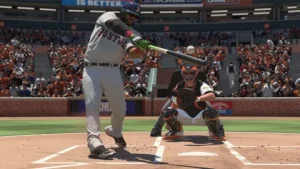
Take light swings to find rhythm. Focus on balance, stance, and smooth form. Don’t worry about power yet—just loosen up.

Minute 3–6: Targeted Drills

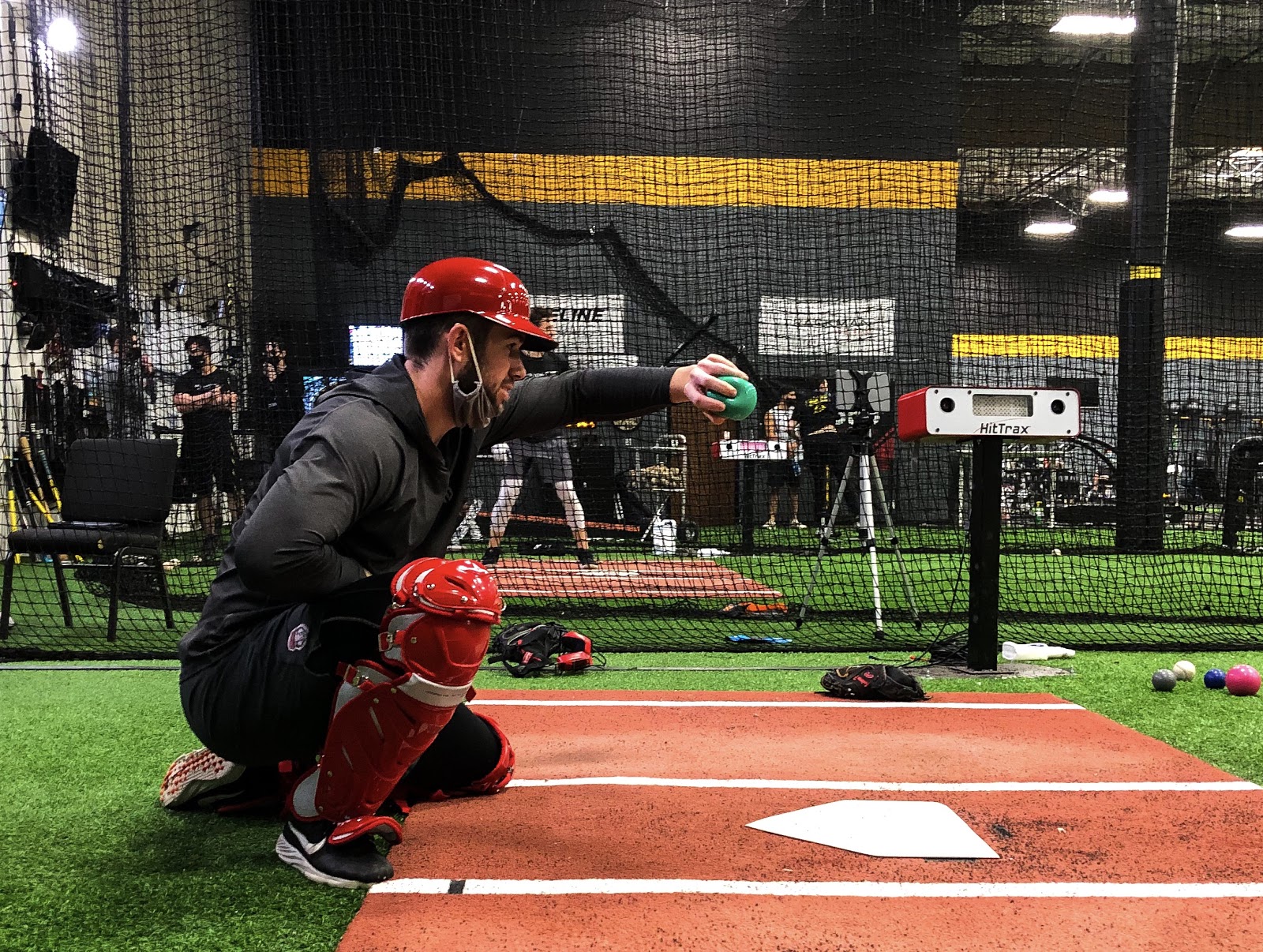
Now work on drills tied to your main goal. If you want accuracy, use the tee. If you want mechanics, do soft toss. If you need timing, face the pitching machine. These minutes are the “work zone” of your baseball training program.

Minute 7–9: Game-Like Practice

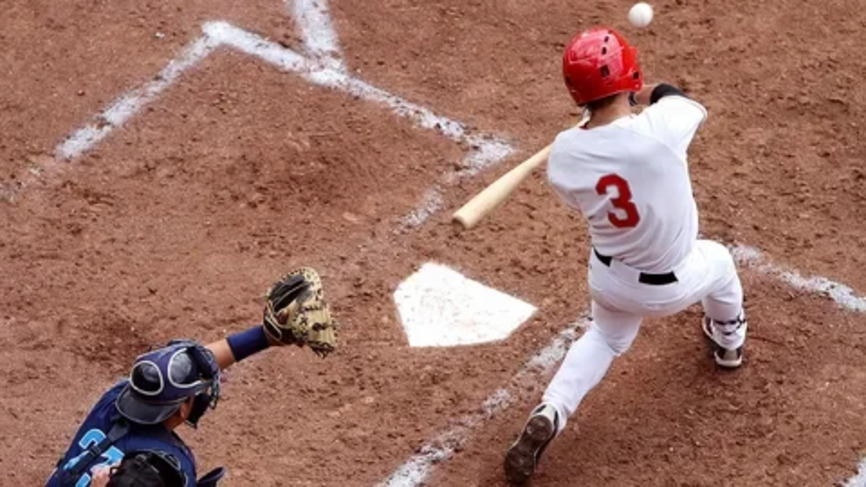
Treat this like real at-bats. Imagine a pitcher on the mound. See the ball coming from different spots. Practice hitting to opposite field or moving a runner forward. Training like this builds confidence for real games.

Minute 10: Finish Strong

End with a handful of clean, powerful swings. Always leave the cage with good form fresh in your muscle memory. That way, your body remembers the right feeling the next time you step up to hit.

Best Drills for Short Sessions

Short cage work should be simple. Pick drills that matter most.

  1. Tee Work
    The batting tee is the foundation of any athlete baseball training routine. It helps you focus on mechanics and build muscle memory. Adjust the tee to different heights to practice hitting low and high pitches.
  2. Soft Toss
    Have a coach or partner toss balls lightly from the side. Focus on contact and keeping your eyes on the ball. This drill sharpens hand-eye coordination.
  3. Pitching Machine Practice
    Machines allow you to see consistent pitches. Use them to work on timing, especially with faster speeds. Mix speeds if possible so you learn to adjust.

Even in 10 minutes, these drills give you solid, targeted work.

Staying Efficient and Focused

Time in the cage is short, so avoid wasting it. Here are simple tips:

  • Focus on Quality, Not Quantity: 20 strong, focused swings are better than 60 rushed ones.
  • Limit Breaks: Don’t take long pauses between swings. Reset quickly and get ready.
  • Track Your Progress: After the session, write down what went well and what needs work. Use video if possible. This makes your baseball training program more personalized.

Common Mistakes to Avoid

Even experienced players make errors during short sessions. Avoid these:

  • No Plan: Going into the cage without a goal wastes time.
  • Rushing: Speed leads to sloppy mechanics. Stay controlled.
  • Skipping Warm-Up: Cold muscles lead to weaker swings and possible injury.
  • Ignoring Form: Bad habits build quickly. Always pay attention to your stance and swing path.

By avoiding these mistakes, you make sure your short baseball training session is productive.

Improving Beyond the Cage

Ten minutes in the cage is powerful, but it works best when paired with training outside the cage.

At-Home Drills: Use a mirror to check your swing form. Practice dry swings daily. Do simple balance exercises to improve stability at the plate.

Strength and Conditioning: Strong legs, core, and arms add power to your swing. Push-ups, squats, and resistance band work can be part of your athlete baseball training.

Video Review: Record your swings and review them. Compare videos over weeks to see your progress. Many pros use this method to fine-tune small details.

When you combine cage sessions with these extras, your overall baseball training program becomes more effective.

FAQs

Can beginners benefit from 10-minute cage sessions?
Yes. Beginners learn faster with shorter, focused practice. It builds skills without overwhelming them.

How often should I do short cage sessions?
Two to three times a week is great. It keeps skills sharp without tiring you out.

What equipment helps most in a short session?
A batting tee, balls, and a bat are enough. A pitching machine or soft toss partner makes it even better.

Is 10 minutes enough for advanced players?
Yes, if the time is structured. Advanced players can use quick sessions to fine-tune small details.

How can I track my progress?
Write notes after each session or record videos. Look at your swing path, timing, and contact. Small changes over time lead to big results.

Conclusion

Ten minutes is more than enough time to grow as a hitter if you stay focused. A smart plan, the right drills, and good habits turn short sessions into powerful training moments. Whether you are a beginner or an advanced player, using these tips in your baseball training program will bring steady improvement. Remember, progress is not always about time—it’s about effort, intent, and consistency.

10 Best Exercises in Athletics Gym Training to Boost Speed and Strength

Athletes need both speed and strength to perform at their best. The right athletics gym training can make a huge difference in performance. A well-structured athletics gym training programme helps athletes build power, agility, and endurance. This article will show you ten exercises every athlete should include in their gym routine.

Why Athletics Gym Training Matters

Athletics gym training is more than just lifting weights. It strengthens muscles, improves speed, and prevents injuries. Strength exercises help you push, pull, or jump more effectively during sports. Speed and power exercises make your movements quicker and more explosive. Combining both in a structured athletics gym training programme ensures complete athletic development.

Warm-Up Before Gym Exercises

Warming up is essential in any athletics gym training programme. It prepares your muscles, improves blood flow, and reduces the risk of injury. Spend at least five minutes on warm-up exercises like light jogging, dynamic stretches, or foam rolling. Proper warm-up ensures you get the most from your gym session.

10 Best Exercises for Speed and Strength

Here are the top exercises for a balanced athletics gym training programme. Each exercise targets key muscles and enhances athletic performance.

  • Squats: Build leg strength and power. Stand with feet shoulder-width apart, lower your body like sitting in a chair, and push back up.
  • Deadlifts: Strengthen back, glutes, and hamstrings. Lift the barbell with straight back and strong legs.
  • Lunges: Improve balance and leg strength. Step forward, bend both knees, and return to start.
  • Bulgarian Split Squats: Enhance leg stability. Place one foot behind on a bench, lower your body, then push up.
  • Box Jumps: Train explosive power. Jump onto a sturdy platform and land softly with bent knees.
  • Bench Press: Strengthen chest, shoulders, and arms. Push the barbell up while lying on a bench.
  • Pull-Ups: Develop upper body and core strength. Pull yourself up until your chin passes the bar.
  • Medicine Ball Slams: Build core power. Lift a medicine ball overhead and slam it on the ground.
  • Kettlebell Swings: Strengthen hips, glutes, and core. Swing the kettlebell between legs to shoulder height.
  • Sled Pushes or Treadmill Sprints: Improve leg strength and speed. Push a sled or sprint in short bursts.

These exercises work together to improve strength, speed, and endurance. Incorporating them into a structured athletics gym training programme ensures well-rounded development.

Building an Athletics Gym Training Programme

A well-designed athletics gym training programme balances exercise intensity and recovery. You can structure a three-day routine:

  • Day 1: Squats, Deadlifts, Lunges
  • Day 2: Bench Press, Pull-Ups, Medicine Ball Slams
  • Day 3: Box Jumps, Bulgarian Split Squats, Kettlebell Swings, Sled Pushes

Rest at least one day between sessions. Start with lighter weights, increase gradually, and track your progress weekly. This approach maximizes strength and speed gains while reducing injury risk.

Common Mistakes to Avoid

Even the best athletics gym training programme can fail if you make mistakes. Watch out for:

  • Skipping warm-ups or cooldowns
  • Using poor form in exercises
  • Overtraining without adequate rest

Following your programme carefully ensures steady improvement and minimizes injuries.

FAQs

How often should athletes train?
Three to four sessions per week work best for most athletes.

Can beginners follow this programme?
Yes. Start with lighter weights and fewer repetitions, then increase intensity gradually.

Which exercises improve explosive speed the most?
Box jumps, kettlebell swings, and sled pushes are excellent for explosive speed.

Do I need special gym equipment?
Some exercises need dumbbells, kettlebells, or a medicine ball, but many can be done using bodyweight or gym machines.

Conclusion

Athletics gym training is key to boosting speed, strength, and overall athletic performance. Following a structured athletics gym training programme makes it easier to see results. The ten exercises above target major muscle groups, enhance explosive power, and improve endurance. Consistency, proper form, and tracking progress are essential. Start incorporating these exercises into your routine, and your performance will improve step by step.

5 Movement Skills Every Young Athlete Must Master Before the Weight Room

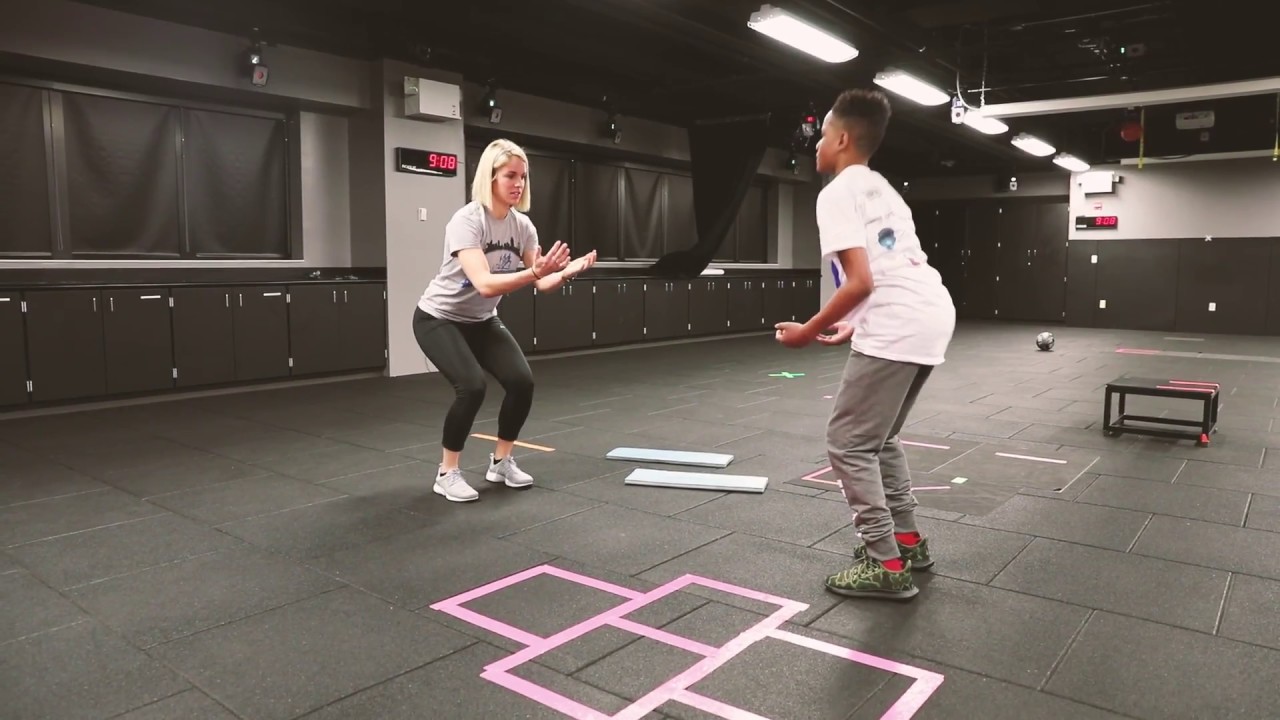
Young athletes are always eager to lift weights and get stronger. But before jumping into heavy lifting, it is very important to master basic movement skills. These skills build a strong foundation and keep young athletes safe. In Young Athlete Training, focusing on bodyweight movements first helps the body move well and prevents injuries later.

The five main movement skills every young athlete should learn are squat, hinge, push, pull, and carry. These are the building blocks of athleticism. Let’s take a closer look at each one.

The Squat – Foundation of Lower Body Strength

The squat is one of the most important movements for young athletes. It trains the legs, hips, and core. Squats help with jumping, running, and balance.

How to do it:

  • Stand with your feet shoulder-width apart.
  • Push your hips back and bend your knees.
  • Keep your chest up and back straight.
  • Go as low as comfortable and then stand back up.

Variations for practice: bodyweight squats, split squats, and goblet squats. Start light and focus on form. Squats are a key part of Young Athlete Training because they build lower-body strength safely.

The Hinge – Building Explosiveness and Protecting the Back

The hinge is a hip-dominant movement. It helps develop strong glutes and hamstrings. Hinging correctly also protects the lower back. This skill is important for sprinting, jumping, and lifting.

How to do it:

  • Stand tall with feet hip-width apart.
  • Push your hips back while keeping your back straight.
  • Slightly bend your knees.
  • Return to standing by driving your hips forward.

Beginner drills: hip hinge with a dowel, glute bridges, and single-leg hinge. Mastering the hinge in Young Athlete Training makes athletes stronger and reduces the risk of back injuries.

The Push – Upper Body Control and Strength

Pushing movements strengthen the chest, shoulders, and triceps. They are essential for throwing, striking, and blocking in sports. Push movements also train the core to stay stable.

How to do it:

  • Start in a push-up position with your hands under your shoulders.
  • Keep your body straight from head to heels.
  • Lower your chest to the ground and push back up.

Progressions: incline push-ups, standard push-ups, decline push-ups. Practicing push movements builds safe upper-body strength in Young Athlete Training.

The Pull – Balancing Strength and Improving Posture

Pulling movements are just as important as pushing. They build the back and biceps, balance muscles, and improve posture. Strong pull muscles help prevent shoulder injuries.

How to do it:

  • Rows: pull your hands toward your chest while keeping your back straight.
  • Pull-ups or chin-ups: lift your body using your arms and back.

Including pull movements in Young Athlete Training ensures a balanced, strong upper body.

The Carry – Core Stability and Functional Strength

Carrying exercises are full-body movements. They improve grip strength, trunk stability, and endurance. Carries teach young athletes how to control their body while moving with weight.

Examples:

  • Farmer’s carry: hold light weights in each hand and walk straight.
  • Suitcase carry: hold one weight in one hand and walk.
  • Overhead carry: hold weight above your head and walk carefully.

These movements are simple but very effective in Young Athlete Training because they build functional strength that helps in every sport.

Putting It All Together

All five movements – squat, hinge, push, pull, and carry – form the foundation of athleticism. Practicing these regularly ensures young athletes move safely and efficiently. In Young Athlete Training, the focus should always be on form and control first. Weight and intensity come later.

Train 2–3 times a week, practice slowly, and focus on quality. Remember, movement first, load later. This approach builds strength, power, and agility while reducing the risk of injuries.

Conclusion

Mastering these five movements is essential for every young athlete. Squat, hinge, push, pull, and carry are the core skills that prepare the body for weight room training and future sports performance. By focusing on these skills, young athletes can grow stronger, move better, and stay safe.

Good Young Athlete Training is about building a strong foundation. Lift smart, move well, and always master the basics first.

Mental Toughness Drills: How MLB Players Prepare for High-Pressure Situations

Baseball is more than just about hitting the ball or making a perfect pitch. Amlie what is onlyfans used for spicymel92 A huge part of the game involves staying calm, focused, and confident in stressful moments. Mental toughness is what helps MLB players succeed in high-pressure situations. Whether it’s the final inning of a close game or a full count at-bat, how a player thinks and reacts can make all the difference. Let’s dive into some mental toughness drills and tips that help MLB players perform under pressure.

What is Mental Toughness?

Mental toughness in baseball means staying calm and focused when things get tough. It’s about handling stress, not giving up, and performing your best even when the pressure is on. Players with strong mental toughness don’t let mistakes or tough situations shake their confidence. Instead, they use their mental strength to stay sharp and bounce back quickly.

Why is Mental Toughness Important in Baseball?

Mental Toughness

In baseball, players face many high-pressure situations. These can include:

Tight games where every move counts.
Clutch moments like a walk-off hit or save.
Nervous moments like striking out with two outs in the bottom of the 9th inning.
These situations test not only a player’s physical skills but also their mental strength. That’s why mental toughness is just as important as physical training.

Key Mental Toughness Drills MLB Players Use

MLB players don’t just train their bodies; they also train their minds. Here are some common drills that help players stay mentally strong during high-pressure moments:

1. Visualization Techniques

Visualization is when players picture themselves succeeding in their minds. Before a big game, a player might imagine hitting a home run or making a perfect pitch. This helps build confidence and prepare mentally for success.

How It Works:

Mental Toughness

A player closes their eyes and visualizes the perfect outcome of a play.
They see themselves performing with confidence and calmness.
Why It Helps:
Visualization tricks the brain into thinking it’s already experienced success, boosting self-belief.

2. Breathing and Relaxation Exercises

Breathing exercises help players stay calm in stressful moments. Simple breathing techniques, like deep breathing or box breathing, help lower stress and clear the mind.

How It Works:

Take a slow, deep breath in for four counts, hold for four, and exhale for four.

Repeat several times to reset focus and calm nerves.

Why It Helps:

Breathing helps reduce anxiety, making it easier to stay composed.

3. Focus and Concentration Drills

These drills help players improve their ability to stay focused during the game. One example is using concentration grids, where players focus on one specific point or task.

How It Works:

  • Players focus on one task or skill for an extended period.
  • Examples: Tracking a ball from a pitcher’s hand to the plate or focusing on one area of the field.

Why It Helps:
It builds the ability to concentrate and ignore distractions, especially during key moments.

4. Pressure Simulation Drills

To get used to high-pressure situations, players often simulate game-like stress in practice. For example, a batter may practice with two strikes, or a pitcher may work on throwing under pressure.

How It Works:

  • Players practice in situations that mirror real-game pressure (e.g., bottom of the 9th inning).
  • They aim to perform under pressure without getting overwhelmed.

Why It Helps:
Simulating pressure conditions helps players get used to stress, so they aren’t surprised by it during the actual game.

5. Mindfulness and Meditation

Mindfulness helps players stay present and focused. It teaches them to clear their minds of distractions and focus on the current moment. Some MLB players use meditation to stay calm and in the zone.

How It Works:

  • Players take a few minutes before practice or games to meditate and focus on their breathing.
  • They let go of any anxious thoughts or outside distractions.

Why It Helps:
Mindfulness helps players stay calm and present during stressful moments in the game.

6. Resilience and Mental Reframing

Mental Toughness

Every player faces failure at some point, whether it’s a strikeout, a bad pitch, or an error. Resilience is about bouncing back quickly. Reframing is about looking at failure as an opportunity to learn and improve.

How It Works:

  • After making a mistake, players focus on what they can learn from the situation.
  • They adjust their mindset and approach next time.

Why It Helps:
Players who are resilient are able to shake off failures and keep moving forward with confidence.

How Coaches Help Build Mental Toughness

Coaches play a big role in helping players build mental toughness. Many MLB teams have mental performance coaches who work specifically on building mental strength. These coaches teach players how to handle stress and perform under pressure. Coaches also create team-wide programs to help everyone improve their mental game.

Mental Toughness Tips for Young Players

Conclusion

Mental toughness is a vital skill for every baseball player. By practicing visualization, breathing exercises, focus drills, and resilience techniques, MLB players can stay calm and confident in the most high-pressure situations. Whether you’re a pro or just starting out, practicing these drills will help you handle pressure with ease and perform your best when it counts the most.

Now, take a deep breath, visualize your success, and get ready to face any challenge that comes your way!

Youth Athlete Development: Avoiding Overuse Injuries in Pitching

Pitching is a big part of baseball, but it can also cause injuries if young players overuse their arms. Many youth pitchers suffer from arm pain because they throw too much without enough rest. This article will help parents, coaches, and athletes understand how to prevent these injuries.

What Are Overuse Injuries?

Overuse injuries happen when a player repeats the same motion too much. For pitchers, this means throwing too many pitches without letting the arm recover. Common injuries include Little League Shoulder, which causes swelling and pain in the shoulder, UCL injuries that damage the ligament in the elbow, and tendinitis, which results in swelling in the tendons from overuse.

What Increases Injury Risk?

injuries

Several factors can lead to overuse injuries. Throwing too much within a short time frame, using improper mechanics, not getting enough rest, and lacking proper strength training all contribute to the risk of injury. Playing year-round without breaks and ignoring early signs of fatigue also increase the chances of developing long-term issues.

How to Prevent Overuse Injuries

Young pitchers can stay safe by following pitch count limits set by leagues like Little League Baseball. Taking proper rest days after pitching is essential, along with learning and using correct throwing mechanics. Avoiding breaking balls at a young age and focusing on overall body strength can also help prevent injuries. Additionally, warming up before games and cooling down afterward supports arm health.

Baseball Athletic Training for Injury Prevention

injuries

A well-rounded athletic training program is crucial for injury prevention. Strength and conditioning exercises focusing on arm care, core stability, and lower-body power help pitchers develop the endurance needed for safe performance. Proper flexibility and mobility training ensure that the body remains loose and less prone to stress-related injuries.

Recognizing Overuse Injuries

Pain during or after pitching, swelling in the elbow or shoulder, a noticeable decrease in pitch speed or control, and lingering discomfort even at rest are all warning signs of overuse injuries. If a pitcher experiences these symptoms, they should stop throwing and seek medical advice to prevent further damage.

Role of Coaches and Parents

injuries

Coaches and parents have a responsibility to prioritize young athletes’ health. Encouraging rest periods, reinforcing proper mechanics, monitoring signs of discomfort, and supporting balanced training programs are all essential steps in preventing injuries. Fostering a long-term development mindset over immediate performance goals can help young pitchers maintain a sustainable and healthy career.

Conclusion

Overuse injuries can be serious, but they are preventable. By following pitch limits, training properly, and taking care of their bodies, young pitchers can stay healthy and enjoy baseball fo

Building a Winning Team Culture: Lessons from MLB Most Successful Clubs

Building a winning team culture  like MLB team is one of the most important parts of a successful team. In Major League Baseball (MLB), teams that have a strong culture often find themselves winning year after year. But what makes a team culture successful? Let’s dive into how MLB’s best teams—like the New York Yankees, San Francisco Giants, Houston Astros, and Boston Red Sox—create and maintain a culture that leads them to victory.

What is MLB Team Culture?

Team culture refers to the way a team works together. It’s the values, beliefs, and behaviors that everyone on the team shares. A strong team culture can help players perform better, stay motivated, and overcome challenges. When everyone works together, the team becomes stronger.

Key Elements of a Winning MLB Team

Several key factors make up a winning team culture. Let’s break down the most important elements.

  1. Communication and Trust

For any team to succeed, players must communicate openly and trust each other. This means talking to one another during games, practices, and even outside the field. When players trust each other, they feel comfortable making mistakes and learning from them.

  1. Accountability

In successful teams, everyone is held accountable for their actions. Players are expected to show up on time, put in effort, and support each other. If one player isn’t pulling their weight, the team steps in to make sure things improve.

  1. Leadership

MBL team

Strong leadership is the backbone of a great team culture. Leaders can be coaches, veteran players, or even younger players stepping up. Good leaders motivate others, set examples, and help the team stay focused on their goals.

  1. Work Ethic and Discipline

Successful teams are known for their strong work ethic. Players train hard, follow strict routines, and always look for ways to improve. Discipline helps keep everyone on track, whether it’s sticking to a practice schedule or maintaining a healthy lifestyle.

  1. Chemistry and Cohesion

A team’s chemistry is the way players connect with each other. Teams with great chemistry have a strong sense of unity and work well together. They support each other on and off the field, making the team stronger as a whole.

Lessons from MLB’s Most Successful Teams

Now, let’s look at some of the most successful teams in MLB and what we can learn from them. These teams show us how to build and maintain a winning team culture.

New York Yankees: Tradition of Excellence

The New York Yankees have a long history of winning, thanks to their culture of excellence. They expect the best from each player, and they hold high standards for everyone. The Yankees focus on teamwork, with each player understanding their role and putting the team first.

San Francisco Giants: Next Man Up

MBL team

The Giants’ culture is all about resilience. Their “next man up” mentality means that whenever someone gets injured or struggles, someone else is ready to step in and help the team. This keeps the team strong, no matter what challenges they face.

Houston Astros: Data-Driven with Strong Team Spirit

The Houston Astros are known for using advanced data and analytics to improve their performance. However, they also maintain a strong focus on teamwork. Players trust each other and have a positive relationship with the coaching staff, which helps them stay grounded despite their success.

Boston Red Sox: Brotherhood Mentality

The Boston Red Sox emphasize mental toughness and strong relationships among players. They have a “brotherhood” culture where players lean on each other through tough times, whether it’s a losing streak or personal challenges. This bond helps them stay focused on the bigger picture.

How to Build a Winning Team Culture in Your Own Organization

MBL team

You don’t have to be an MLB team to create a winning culture. Whether you’re in sports, business, or any other team-based environment, the lessons from these teams can help. Here’s how you can build a strong team culture:

Step Action
1. Set Clear Expectations Make sure everyone knows what is expected of them, from effort to behavior.
2. Celebrate Small Wins Recognize achievements, no matter how small. This boosts morale.
3. Encourage Collaboration Foster teamwork by encouraging everyone to work together.
4. Develop Leadership Help people in your team step up as leaders, even if they’re not the boss.
5. Stay Adaptable Be ready to change your approach when things aren’t working.

Conclusion

Building a winning team culture isn’t easy, but it’s one of the most important things you can do for your team. By focusing on communication, accountability, leadership, work ethic, and chemistry, you can create a culture that helps your team succeed. MLB teams like the Yankees, Giants, Astros, and Red Sox show us that with the right mindset and values, a team can achieve greatness.

Position Flexibility in Baseball: How Mookie Betts’ Shortstop Transition Can Inspire Your Training

Baseball is a game of skill, strategy, and adaptability. One of the most exciting trends in modern baseball is position flexibility the ability to play multiple positions well. Players like Mookie Betts, who recently transitioned from the outfield to shortstop, show how versatility can make you a valuable asset to any team. This article will explore how Betts’ move can inspire your training, with a focus on strength training for baseball hitters and strength training for the baseball swing. Let’s dive in!

Why Position Flexibility Matters

In today’s game, teams love players who can play more than one position. It gives coaches options and helps teams handle injuries or tough matchups. For example, if a star player gets hurt, a flexible player can step in and keep the team strong.

mookie betts

Mookie Betts is a perfect example. He’s already one of the best outfielders in the game, but when the Dodgers needed a shortstop, he stepped up. This move wasn’t easy, but Betts’ hard work and athleticism made it possible. His story teaches us that with the right training, anyone can learn to adapt.

Mookie Betts’ Transition: What We Can Learn

Betts’ move from the outfield to shortstop wasn’t just about changing positions. It was about learning new skills and pushing his limits. Here’s what made his transition successful:

  1. Work Ethic: Betts practiced tirelessly to master the footwork and throwing angles needed for shortstop.
  2. Athleticism: His speed, agility, and strength helped him adjust quickly.
  3. Baseball IQ: Betts understands the game deeply, which helped him anticipate plays and make smart decisions.

These qualities didn’t just help Betts on the field they can inspire your training too.

Strength Training

Strength Training for Baseball Hitters

Whether you’re a hitter or a fielder, strength training is key to improving your game. For hitters, it’s all about building power and speed in your swing. Here’s how strength training can help:

  • Core Strength: A strong core helps you generate power from your hips and torso.
  • Rotational Power: Exercises like medicine ball throws and cable rotations improve your ability to twist and swing with force.
  • Bat Speed: Stronger muscles mean a faster swing, which leads to harder hits.

Key Exercises for Hitters:

  • Deadlifts
  • Squats
  • Medicine Ball Throws
  • Rotational Cable Work

mookie betts

Mookie Betts’ Muscles

Mookie Betts may not be the biggest player on the field, but his muscles are built for speed, power, and control. His lean, strong frame helps him move quickly, swing fast, and throw with force. Mookie’s strength comes from smart training that focuses on his core, legs, and upper body. His powerful legs give him explosive speed for base running and fielding, while his strong arms and shoulders help him hit with precision and drive. He proves that muscle isn’t just about size it’s about using strength the right way for baseball success.

Strength Training for the Baseball Swing

A powerful swing starts with strong legs, hips, and shoulders. Strength training can help you develop the explosive movements needed for a great swing. Here’s what to focus on:

  • Explosive Hip Movement: Your hips drive the power in your swing. Exercises like kettlebell swings can help.
  • Shoulder Strength: Strong shoulders help you control the bat and generate speed.
  • Rotational Strength: This helps you twist your body efficiently during the swing.

Key Exercises for the Swing:

  • Kettlebell Switches
  • Plyometric Push-Ups
  • Resisted Band Rotations

How Strength Training Helps with Position Flexibility

Strength Training

Strength training isn’t just for hitters it’s also crucial for players who want to be versatile. Here’s why:

  • Improved Athleticism: Strength training makes you faster, stronger, and more agile, which helps you play multiple positions.
  • Injury Prevention: Strong muscles protect your joints and reduce the risk of injury.
  • Better Performance: Whether you’re hitting, fielding, or throwing, strength training helps you perform at your best.

What Does an Athletic Trainer Do?

An athletic trainer helps athletes stay healthy, recover from injuries, and improve their physical performance. They work closely with coaches, doctors, and athletes to prevent injuries before they happen. If someone gets hurt, athletic trainers step in to treat the injury, create a recovery plan, and guide the athlete back to full strength. They also teach athletes how to stretch, warm up, and train the right way to stay safe. Whether it’s on the field, in the gym, or during rehab, athletic trainers play a key role in keeping athletes strong and ready to compete.

Training Tips for Position Flexibility

If you want to be a versatile player like Mookie Betts, here are some tips to follow:

  1. Master the Basics: Work on your footwork, throwing mechanics, and positioning for each position.
  2. Practice Drills: Include drills for infield, outfield, and hitting in your routine.
  3. Build Strength: Focus on exercises that improve your overall athleticism and power.
  4. Study the Game: Watch videos and learn from experienced players to improve your baseball IQ.

mookie betts

Example Training Plan

Here’s a simple weekly plan to help you build strength and flexibility:

Day Focus Exercises
Monday Strength Training Deadlifts, Squats, Medicine Ball Throws
Tuesday Infield Drills Ground Balls, Double-Play Turns
Wednesday Hitting Practice Batting Cage, Rotational Cable Work
Thursday Outfield Drills Fly Balls, Crossover Steps
Friday Strength Training Kettlebell Swings, Plyometric Push-Ups
Saturday Game Simulation Live Batting, Situational Fielding
Sunday Rest/Recovery Stretching, Light Conditioning

Love, Laughs & Surprise: The Most Talked-About MLB Kiss Cam Moment of the Season

During a recent MLB game, fans were treated to an unexpected and hilarious kiss cam moment that quickly went viral across social media. As the camera panned through the crowd, couples leaned in for the classic kiss but one pair stole the spotlight. Just as the iconic Coldplay song “Fix You” began playing over the stadium speakers, the man on screen stood up, dropped to one knee… and instead of kissing his date, he pulled out a ring. What was supposed to be a cute kiss cam turned into a surprise proposal, drawing cheers, gasps, and a standing ovation from the crowd. Moments like these are exactly why fans love the unpredictability of MLB kiss cams. Whether it’s a sweet kiss, a rejected smooch, or a grand romantic gesture set to emotional music, these segments bring fans together through laughter and feel-good vibes. The added touch of Coldplay’s heartfelt tune made the moment even more cinematic, sparking thousands of shares online. It’s just another reminder that baseball is about more than just the game it’s also about the love stories and memories made in the stands.

Conclusion

Mookie Betts’ transition to shortstop shows how hard work, athleticism, and a willingness to adapt can make you a better player. By focusing on strength training for baseball hitters and strength training for the baseball swing, you can improve your game and become more versatile. Whether you’re a hitter, fielder, or both, the key is to train smart, stay dedicated, and always be ready to learn.

Vavada казино зеркало актуальное на сегодня


Актуальное зеркало казино Vavada на сегодня


Vavada казино зеркало актуальное на сегодня

Если ты хочешь оставаться на связи с любимым игровым пространством и не допустить перебоев в доступе, хорошей идеей будет использовать актуальные ссылки. На данный момент рекомендуется ознакомиться с вавада официальный сайт, который предоставляет безопасный и удобный способ входа. Это позволяет не терять время и наслаждаться любимыми слотами и настольными играми без прерываний.

Следует помнить, что у доступа могут быть различные ограничения. В таком случае можно воспользоваться проверенными источниками и форумами, где сообщают о действительных ссылках. Держи руку на пульсе, чтобы не упустить новые предложения и акции, способствующие увеличению выигрышей.

Важно также соблюдать правила безопасности. Убедись, что используемая платформа имеет все необходимые лицензии и обеспечивает защиту данных. Это гарантирует честность игр и надежность всех транзакций, что сделает игровой опыт максимально комфортным и безопасным.

Как найти рабочее зеркало Vavada для доступа к играм?

Самый надежный способ найти рабочую ссылку – посетить официальный сайт, где своевременно публикуются обновления. Обычно на главной странице есть раздел с актуальными адресами для доступа.

Следующий вариант – подписаться на рассылку новостей. Это позволит получать параметры доступа прямо на электронную почту. Рекомендуется также вводить адрес сайта в браузере регулярно, так как он может изменяться.

Форумы и сообщества игроков – еще один источник информации. Участники таких тематик часто делятся проверенными ссылками. Присоединяйтесь к обсуждениям и следите за последними публикациями.

Ресурсы с обзорами и рейтингами также предоставляют актуальную информацию. Это может быть полезно для сравнения не только доступов, но и бонусных предложений, актуальных для новых пользователей.

Используйте социальные сети. Официальные страницы операторов отчитываются о новых входах и изменениях адресов. Подписывайтесь на их аккаунты, чтобы быть в курсе.

Будьте осторожны с ненадежными источниками. Некоторые сайты могут предлагать доступ, но на самом деле это может быть мошенничество. Проверяйте репутацию перед тем, как вводить личные данные.

Если вы столкнулись с проблемами доступа, попробуйте использовать VPN-сервисы. Это поможет обойти региональные ограничения и получить стабильный вход на платформу. Всегда выбирайте проверенные провайдеры VPN для обеспечения безопасности своих данных.

Безопасность и легальность использования зеркал казино Vavada

Пользователям стоит обращать внимание на наличие лицензии при выборе онлайн-платформы для азартных игр. Проверенные сайты имеют юридическое разрешение на свою деятельность, что подтверждается соответствующими документами. Это гарантирует соблюдение законов и защищенность ваших данных.

Также не забудьте исследовать репутацию площадки. Обзоры других игроков, рейтинг и наличие сертификатов поможет составить полное представление о надежности сервиса. Высокая репутация и хорошие отзывы – это хороший знак.

  • Проверьте наличие шифрования данных. Актуальные сайты используют технологии, такие как SSL-сертификаты для защиты информации.
  • Важно, чтобы поддержка клиентов работала круглосуточно и отвечала на ваши вопросы быстро и профессионально.
  • Изучите условия использования и политику конфиденциальности. Ясные правила – залог честной игры.

В некоторых странах азартные игры могут быть ограничены или запрещены. Перед регистрацией ознакомьтесь с законодательством вашей страны. Это поможет избежать нежелательных последствий и обеспечит легальность вашей деятельности.

Использование анонимайзеров и VPN-сервисов также может повысить уровень безопасности. Однако учтите, что использование таких инструментов может противоречить правилам платформы и привести к блокировке аккаунта.

  1. Используйте надежные платежные системы с хорошей репутацией.

В конце концов, чтобы ваши игры приносили удовольствие, а не проблемы, важно следовать всем рекомендациям. Это не только обеспечит вашу безопасность, но и поможет наслаждаться игровым процессом без лишних переживаний.

Преимущества и недостатки использования зеркал Vavada

Однако у этого подхода есть и свои минусы. Возможные проблемы с безопасностью и защитой личной информации могут возникнуть при входе на менее проверенные сайты. Частые изменения адресов могут запутать пользователей, особенно тех, кто не привык следить за обновлениями. Поэтому перед тем, как решить, где играть, стоит тщательно проверить источник и убедиться в его надежности.


Injury Prevention for Youth Baseball Players: Key Tips for Staying Safe and Strong

Youth baseball is an exhilarating sport that requires a combination of skill, agility, and endurance. However, the physical demands of the game can sometimes lead to injuries if proper precautions are not taken. At Riverside Athletics Facility, we prioritize the safety and well-being of our athletes. In this blog, we share essential injury prevention tips for youth baseball players to help them stay safe, healthy, and at the top of their game.

Proper Warm-Up and Cool-Down

A thorough warm-up and cool-down routine is crucial for preventing injuries and ensuring optimal performance. Start with a dynamic warm-up that includes exercises mimicking baseball movements, such as leg swings, arm circles, and lunges. Gradually increase the intensity to elevate heart rate and blood flow to muscles. After training or a game, engage in a cool-down routine that includes static stretching to reduce muscle stiffness and aid in recovery.

Strength and Conditioning

Building a strong and resilient body is key to preventing injuries in youth baseball players. Focus on strength training exercises that target the core, legs, and upper body. Exercises like squats, lunges, and push-ups help develop muscle strength and stability. Regular flexibility and mobility exercises improve the range of motion in joints, reducing the risk of strains and sprains. Incorporate exercises that enhance balance and coordination, such as single-leg stands and agility drills, to improve overall athletic performance.

Proper Technique and Mechanics

Ensuring proper technique and mechanics is vital for preventing injuries and enhancing performance. Pay close attention to pitching mechanics to avoid overuse injuries and encourage pitchers to follow recommended pitch counts and rest periods. Focus on proper batting techniques to reduce the risk of injuries to the wrists, elbows, and shoulders. Teach proper fielding techniques to prevent injuries from awkward movements or collisions.

Appropriate Equipment

Using the right equipment that fits properly is essential for injury prevention. Ensure that all players wear appropriate protective gear, including helmets, gloves, and padding. Catchers should wear full protective gear, including chest protectors and shin guards. Invest in high-quality, sport-specific footwear that provides adequate support and traction to prevent foot and ankle injuries. Regularly inspect equipment for wear and tear and replace any damaged gear to ensure safety.

Hydration and Nutrition

Maintaining proper hydration and nutrition is crucial for overall health and injury prevention. Encourage athletes to drink plenty of water before, during, and after practices and games to prevent dehydration and muscle cramps. Ensure a balanced diet rich in carbohydrates, proteins, and healthy fats to provide the energy needed for training and recovery. After games or practice, focus on recovery nutrition that includes protein and carbohydrates to aid in muscle repair and replenishment of energy stores.

Rest and Recovery

Allowing adequate rest and recovery time is essential for preventing overuse injuries and ensuring long-term athletic health. Incorporate scheduled rest days into the training regimen to allow the body to recover and repair. Ensure athletes get enough sleep, as it is crucial for overall health and recovery. Encourage athletes to listen to their bodies and report any pain or discomfort. Early intervention can prevent minor issues from becoming serious injuries.

Conclusion

Injury prevention is a critical aspect of training for youth baseball players. By incorporating proper warm-up and cool-down routines, strength and conditioning exercises, correct techniques, appropriate equipment, hydration and nutrition, and adequate rest and recovery, young athletes can minimize the risk of injuries and perform at their best. At Riverside Athletics Facility, we are committed to providing a safe and supportive environment that prioritizes the health and well-being of our athletes. Follow these injury prevention tips to ensure a safe and successful baseball season.

What Is an Athlete Familiar With? Exploring the Core Skills, Habits, and Fitness Investments

What Is an Athlete Familiar With? Exploring the Core Skills, Habits, and Fitness Investments

Though they are renowned for their extraordinary skills, what distinguishes athletes? They develop strong habits, exercise their bodies, and commit time and money to their fitness if they are to reach perfection. Let’s investigate what an athlete is familiar with and how athletic training impacts their success.

Physical Exercise and Instruction for Athletic Training

Athletes devote much time to physical conditioning. Strength, flexibility, and endurance building are the main objectives of athletic training. Weightlifting, aerobic, and stretching routines abound in regular workouts. These enable sportsmen to remain in good shape and prevent injuries. Many sportsmen also target particular muscle areas using athletic gym training programs, therefore improving their performance. Athletes train multiple days a week, usually using customized routines created by coaches to fulfill their particular objectives; consistency is therefore very important.

athletic training

Essential Elements of Physical Education In Athletic Training:

Strength athletic training develops general physical strength and muscle power. Exercises for cardio boost heart health and stamina. Flexibility exercises boost mobility and help to prevent injuries. Reduces overuse problems and guarantees balanced fitness by means of cross-training. To increase agility and coordination, many athletes also include plyometric drills and functional training.

Skills Particular to Sports

Every sport calls for a different kind of ability. While a swimmer is concentrating on precise strokes, a baseball player practices hitting. Daily repetitions of drills help athletes to hone their skills. They work for hours to perfect their moves, therefore guaranteeing their performance during contests.

  • Development of skills goes beyond just physical capacity. To know their strengths and shortcomings, athletes frequently examine game footage. This enables them to pinpoint areas needing work and create plans for acquiring a competitive edge. 
  • A basketball player might go over tapes, for instance, to improve their defensive moves or shooting form. Many sportsmen closely collaborate with coaches to get real-time comments and make quick changes during practice.
  • Beyond only physical ability, players grow to have a great awareness of the mechanics of their sport. This covers perfect body posture, timing, and reaction speed. Often the difference between a good performance and an outstanding one is these micro-adjustments.

Mental Fortitude and Attention to Detail

Being an athlete goes beyond only physical strength. Mental toughness is really necessary. Athletes strive for composure under duress and for recovery following setbacks. Even with distractions, they train in emphasizing objectives. They remain psychologically sharp by means of visualization, meditation, and positive thinking.

The Mental Resilience Athletes Create:

Deep breathing and mindfulness are two approaches to stress management. Keeping attention on both long-term and immediate goals. Visualizing successful results will help one to develop confidence. Overcoming obstacles: keeping flexible and learning from mistakes.

Furthermore included in mental resilience is the capacity to meet unforeseen obstacles. Athletes have to be adaptable and creative whether their game approach changes suddenly or they deal with an injury. Usually, this adaptability characterizes their long-term success.

athletic training

Diet and Recoverable Essentials for Athletic Training

Athletic training is strongly influenced by food. Athletes consume well balanced meals heavy in proteins, carbohydrates, and good fats. Good diet provides the vitality required for rigorous workout. Another vital component is hydration; many athletes drink electrolytes to remain hydrated during extended events.

  • To keep optimal performance, athletes also give recovery top priority. Massages, cold baths, and stretches abound in recovery programs. Another vital element is sleep. Studies reveal that rested athletes recover faster and perform better. To help muscles recuperate, some athletes also employ foam rollers and compression gear.
  • Apart from these fundamentals, athletes sometimes collaborate with dietitians to design customized food programs. To cover dietary deficiencies, they may consume amino acids, vitamins, or protein powders. Recovery calls for mental relaxation as much as physical one, such as listening to music or spending time in nature.

Leadership, Communication, and Teamwork

Team sports help players to see the need for group effort. On the field, they come to speak clearly and rely on their colleagues. Another ability many athletes acquire is leadership, which motivates their groups toward success by means of strategy and encouragement.

  • Games depend on effective communication. To carry out tactics, players have to communicate ideas fast and precisely. Teamwork fosters close relationships off the field that help to create unity and confidence that will improve performance in tournaments.
  • Not just for team captains, are leadership qualities valuable. Many sportsmen instinctively assume leadership roles, guiding younger colleagues or motivating their peers with their work ethic. Many times, these traits translate into other spheres of life, which makes sportsmen powerful leaders in their companies and neighborhoods.

Understanding Strategies, Rules, and Techniques

Athletes have to know their sport’s regulations completely. To beat rivals, they research game strategies and techniques. This information enables them to make fast decisions on demand and adjust throughout games.

  • Strategic thinking transcends the game. To develop winning game plans, athletes examine the strengths and shortcomings of their rivals. For example, a tennis player might change their approach of serving depending on the return pattern of their opponent. In team sports, knowing the playbooks or formations of the competition could help athletes have an advantage.
  • Understanding the regulations also helps to avoid expensive errors. For football, for instance, knowing time management techniques or penalty rules might make all the difference in winning or losing.

How Much Do Sportsmen Invest in Their Training? 

Maintaining top condition has a cost. Athletes make investments in personal trainers, gym memberships, and premium equipment. Many additionally fuel their bodies with vitamins and specialized diets. Recovering techniques such as massage visits or physical therapy sessions increase the costs. Another expense is flying for contests and events. To remain competitive in their sectors, nevertheless, these expenditures are essential. The degree of the competition determines the expenses. Professional athletes can have more funds for specialist equipment and advanced training facilities. Aspiring athletes, on the other hand, could have to rely on community gyms or online training programs and balance costs with few resources.

Apart from their direct fitness costs, players might also make investments in sports camps, mental health counseling, modern technologies, and improved equipment. These extra expenditures guarantee they stay on top of things.

Leveraging Technology for Performance and Training

Athletes now prepare using technology in different ways. Apps examine their performance; fitness monitors check heart rates and steps. Resistance bands and smart gym equipment help to maximize training. Virtual training courses enable athletes to advance from anywhere as well.

In athletic training, data-driven insights are really important. Wearable tools monitor calories burned, distance, and speed. This information is used by coaches to adjust training schedules and guarantee participants are on route to reach their objectives. Software for video analysis also enables sportsmen to closely analyze their methods. Modern instruments including motion sensors and artificial intelligence-driven performance analytics are gathering appeal. These devices enable athletes to reach accuracy and efficiency by giving thorough feedback on every component of their motions.

Time Management and Lifestyle

Athletes manage a rigorous schedule. They still make time for relaxation even waking early for training and spending hours honing their skills. Time management is absolutely crucial. To reach their objectives, they carefully arrange their days and give chores top priority.

One can find it difficult to balance training with personal life. Many times, athletes put their objectives first and forego social events. Many, nevertheless, discover ways to keep a good work-life balance so they may spend time for friends, family, and interests. Some people guarantee no time is wasted by using planners or apps to arrange their routines.

Development and Constant Education

Athletes constantly aim to improve. From their errors, they grow and ask coaches for guidance. Maintaining current with fresh ideas in athletic development enhances their performance. To keep ahead, they watch movies, go to seminars, and never stop learning. Development also includes formulating fresh objectives. An athlete targets the next once they reach one milestone. Their relentless quest of excellence drives them forward and enables them to surpass all career limits. Many sportsmen also guide others, sharing their expertise and motivating the following generation.

In summary Of Athletic Training

Athletes create their success by means of diligence, perseverance, and wise investments. They eat healthily, develop both physically and mentally, and practice diligently. To function at their best, they also make investments in tools, technology, and rehabilitation. Knowing these facets of athletic training will motivate anyone—including those who are simply interested or aspiring athletes—to adopt a more focused and healthy way of life.From honing physical skills to developing mental toughness, athletic training addresses all facets of personal development. This is an ongoing road of development that shows how discipline, knowledge, and dedication create a basis for success.